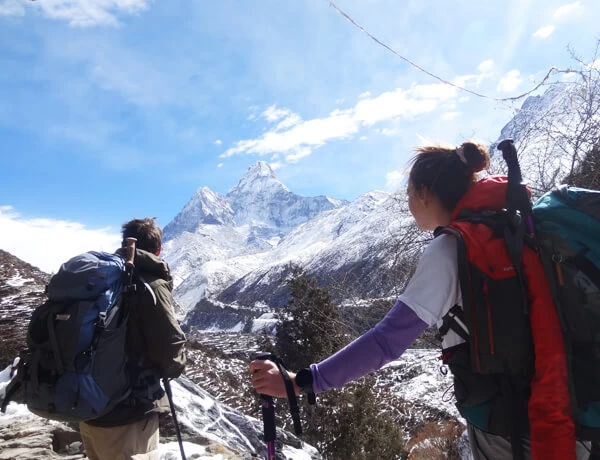
What is Ama Dablam Base Camp Trekking?
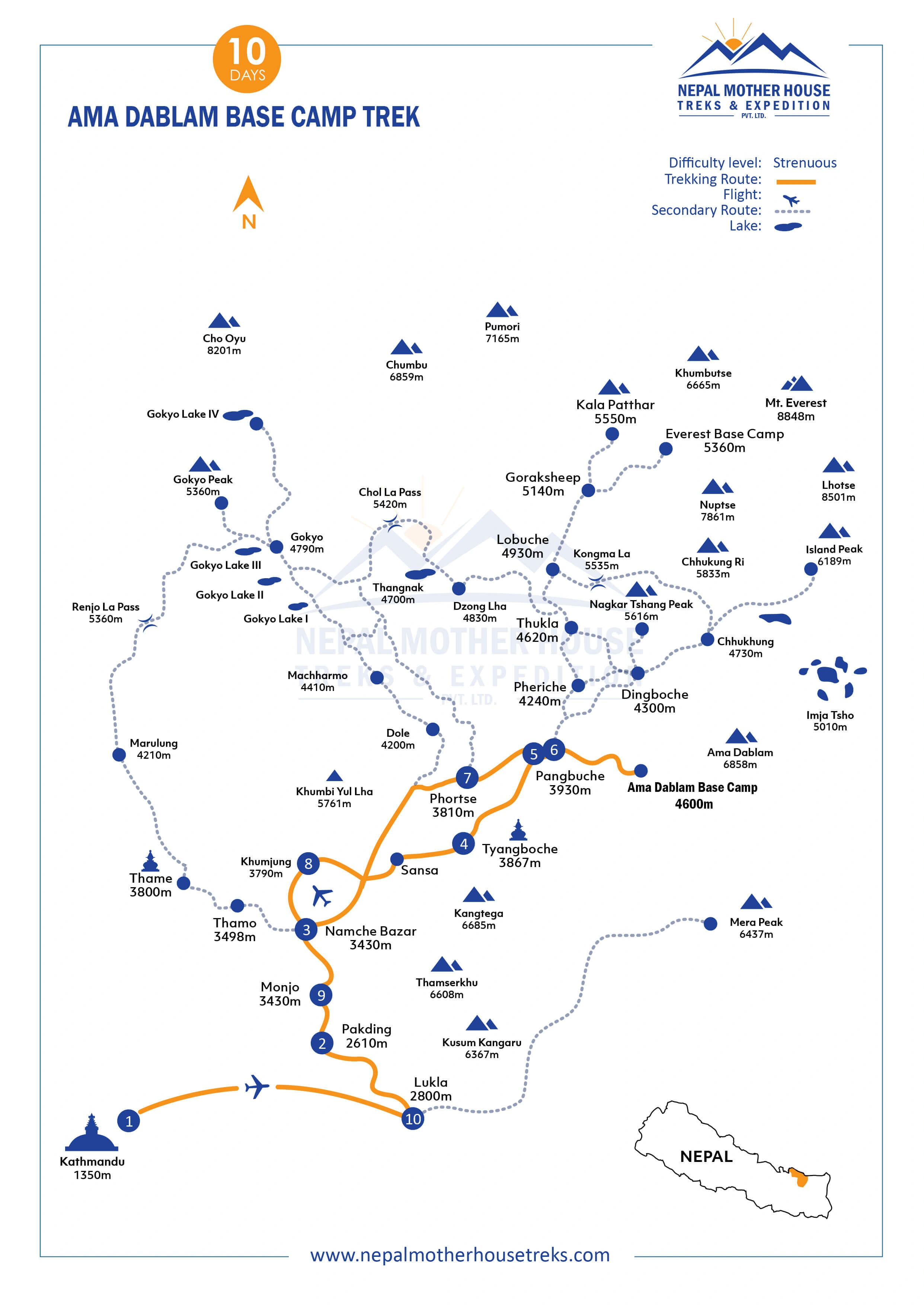
Ama Dablam Base Camp Trek is a beautiful trekking trail in Nepal in the Khumbu region. The journey follows part of the famous Everest Base Camp trail and then heads towards Pangboche Village and climbs to Ama Dablam Base Camp.
The Everest Base Camp Trek takes two weeks or more; however, the Ama Dablam Base Camp trek may be accomplished in a shorter period and still experience world-class alpine scenery. Trekkers using the track can stand right beneath the impressive south face of Ama Dablam and see it up close, something that is impossible on the normal Everest Base Camp route. Many trekkers find the route to be a blend of breathtaking scenery, genuine cultural experiences, and fewer tourists, making it one of Nepal's hidden jewels.
Key Highlights of Ama Dablam Base Camp Trek
- Scenic mountain flight to Lukla
- Namche Bazaar - Lively atmosphere, Saturday Markets
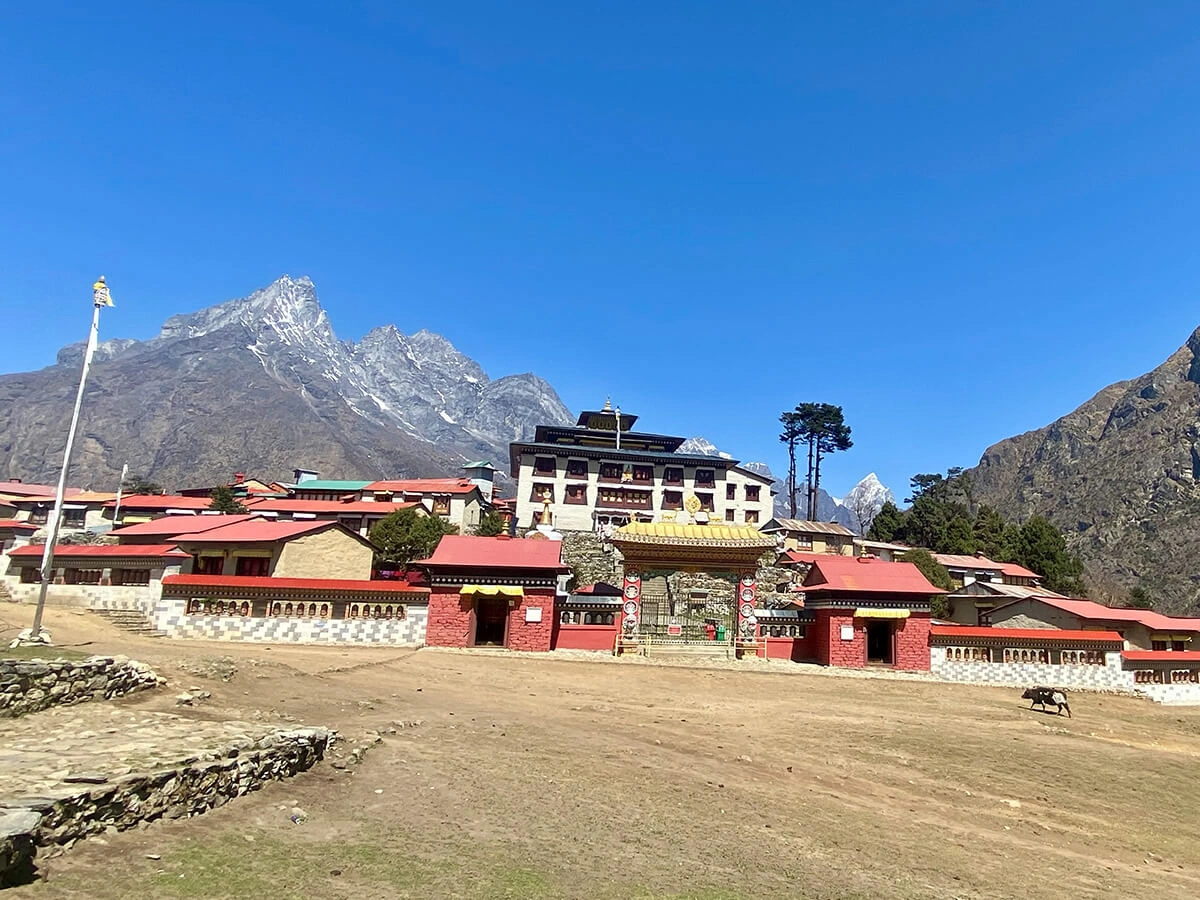
- Spiritual Experience in Tengboche Monastery & Upper Pangbuche
- Traditional Sherpa culture in Pangboche, Porsche, and Khumjung.
- Stunning views of the Himalayas
- Stunning views of dawn and sunset
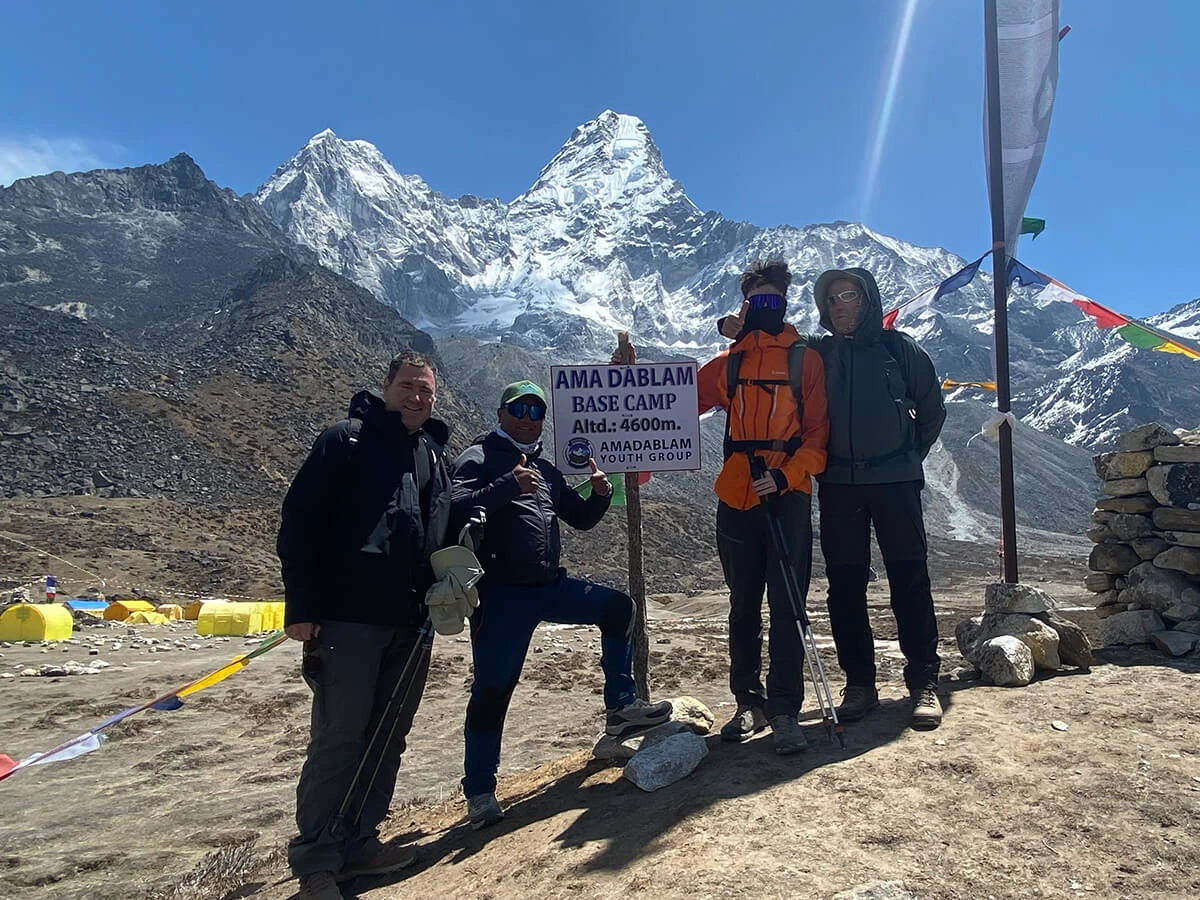
- Close-up views of Ama Dablam.
- Great photo opps
- Not as crowded as Everest Base Camp
- Tea house accommodation (comfortable)
Why is Ama Dablam Considered the Most Beautiful Mountain in Nepal?
Ama Dablam is commonly known as the "Matterhorn of the Himalayas." Sherpa Language: “Ama” is Mother. “Dablam” is the sacred jewelry that Sherpa women wear.
The mountain ridges resemble the protective arms of a mother holding a kid, while the hanging glacier is like an old Sherpa pendant.
Its spectacular shape provides one of the most recognizable mountain profiles in the world and is considered by many climbers to be even more visually striking than Mount Everest.
Reasons to Do the Amadablam Base Camp Trek
1. Not as crowded as Everest Base Camp
A peaceful atmosphere is one of the main perks of this expedition. While many trekkers visit Everest Base Camp, comparatively fewer trekkers visit Ama Dablam Base Camp. This trek is a more true Himalayan experience.
2. Gorgeous Mountain Views
Trekkers are rewarded with excellent vistas of:
- Everest
- Lhotse Nuptse
- Thamserku
- Kangtega
- Taboche
- Ama Dablam
The views from Pangboche and Ama Dablam Base Camp are among the best in Nepal for many photographers.
3. Culture of the Sherpa
The Ama Dablam Base Camp trek takes you through traditional Sherpa villages, where you will get to experience the following:
- Buddhism: Culture of
- Old Monasteries
- Prayer wheels
- Mani walls
- Local hospitality
4. Perfect for Short Vacations
Today, travelers with limited vacation time can experience a high-quality trekking experience in the Everest region without a long-term commitment.
Where is the Ama Dablam?
Ama Dablam is located in the Khumbu region of northeastern Nepal.It lies south of Mount Everest and above the Sherpa village of Pangboche. The trekking trail is located inside Sagarmatha National Park, a UNESCO World Heritage Site noted for its unique biodiversity, Himalayan ecosystems, and cultural legacy.
The nearest major trekking hubs are:
- Lukla
- Namche Bazaar
- Tengboche
- Pangboche
- Phorse
- Khumjung
How difficult is the Ama Dablam Base Camp Trek?
The Amadablam Base Camp Trek is regarded as moderately difficult, more challenging than a leisurely trip but less demanding than the complete Everest Base Camp trek or a technical climbing route.
The trek is not a technical climbing trek, but you should be prepared to walk 5 to 7 hours a day with a steady uphill climb. The journey is at high altitude, so being healthy and acclimatized is vital. The trail to the base camp includes quite a bit of steep ups and downs, several suspension bridge crossings over rivers like the Dudh Koshi, and rocky, occasionally uneven terrain, especially as you near the base camp itself.
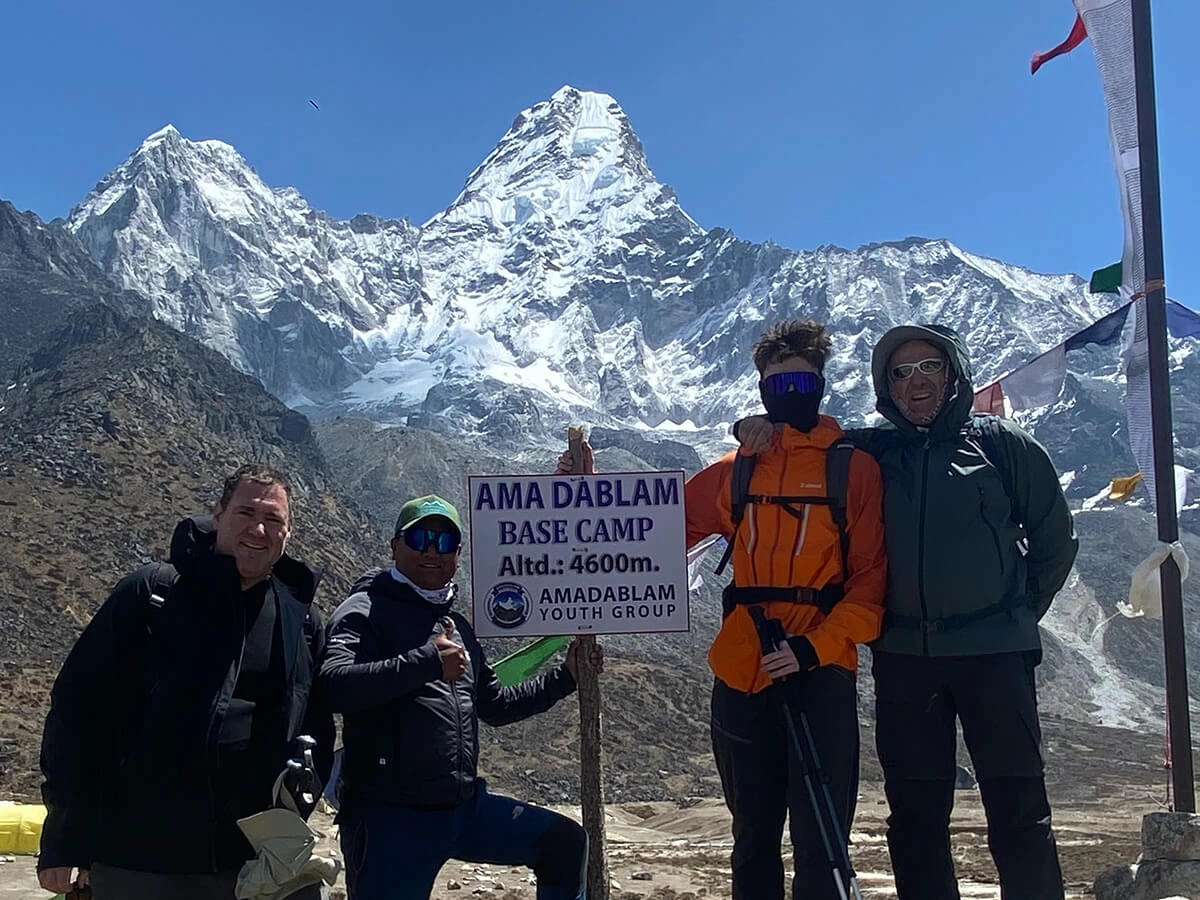
Here, altitude is truly the key difficulty factor, not technical terrain.” The base camp is already at 4,600 meters, so there is less oxygen, and even very fit trekkers might feel the effects of the thinner air, weariness, and poor sleep at that altitude. But the route is merely a day hike to base camp and not an overnight stay; therefore, it is typically regarded as easier on the body than treks that require trekkers to sleep over 5,000 meters.
Altitude: The trail is mostly well-defined and well traveled on a day-to-day basis, as it coincides with the famous Everest Base Camp route for most of the journey; thus, finding your way is not a major worry, especially with a guide. The major problems include sometimes accumulated weariness from days on end of walking, cold temperatures at higher elevations, and the discipline to pace yourself carefully enough to acclimatize correctly rather than pushing too hard too fast.
Generally, a decently fit individual who trains in advance with frequent hiking, stair climbing, or aerobic work and who takes acclimatization seriously should find this trek extremely possible, even without prior high-altitude experience. It is a popular option for those who want to enjoy real Himalayan trekking and close-up mountain vistas but don't want to commit to the longer, higher, and more physically challenging Everest Base Camp itself.
The hike is regarded as being of moderate difficulty.
Most fit, healthy people should be able to do the route with no problems.
Challenges Include:
- Higher Altitude
- Long days of walking
- Uneven ground
- Cold weather
- Suggested Preparation
- Walking regularly
- Cardiovascular exercise
- Strength workouts
- Multi-day walking practice
Best time of year to trek to Ama Dablam Base Camp:
There are very distinct trekking seasons in the Khumbu region, and your timing will make quite a difference to the experience. Spring (March to May) and autumn (September to November) are regarded as the optimum seasons for the Ama Dablam Base Camp Trek, and they are by far the most popular windows for a good reason. The autumn is the period immediately following the monsoon and is generally the clearest, most settled weather of the year, with sharp vistas of the mountains and pleasant walking temperatures during the day.
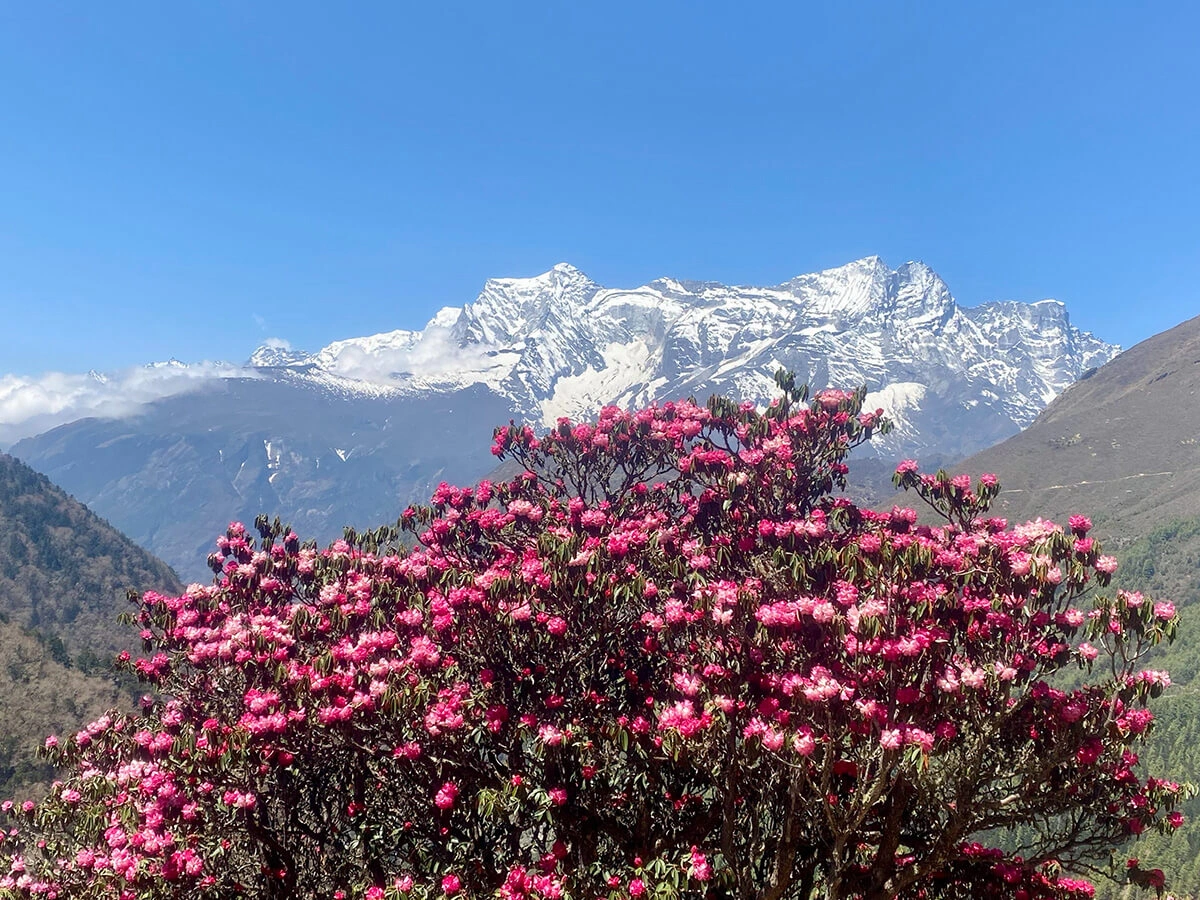
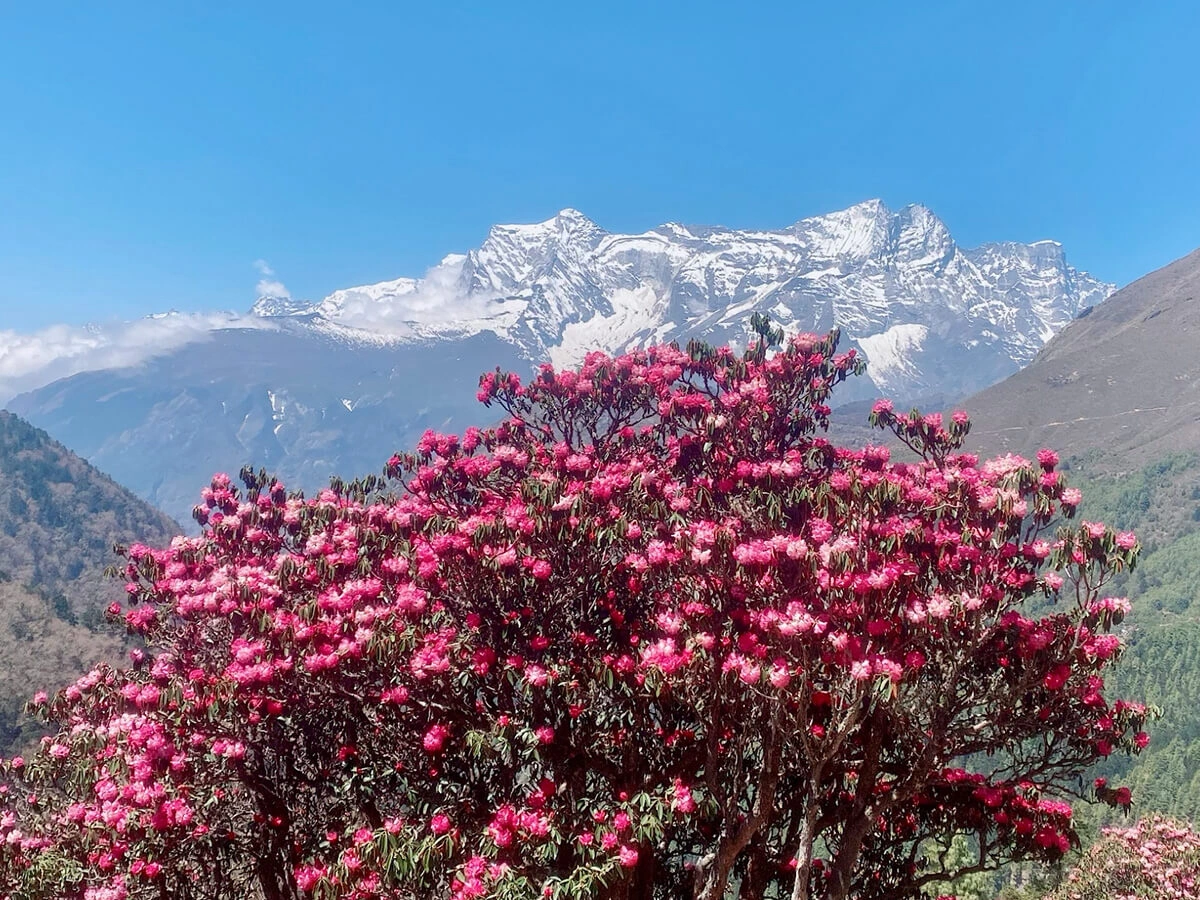
Autumn is one of the busiest trekking seasons, and teahouses fill up quickly. Popular communities can feel crowded on the trails. In spring, the snow of winter melts away, temperatures are milder, and flowering rhododendron forests bloom lower down the trail, but sometimes afternoon cloud cover moves in and hides mountain vistas by lunchtime.
Winter (December to February) is manageable but much colder. Night temperatures at higher elevations drop far below freezing, and some lodges in the upper settlements close down or operate with reduced amenities. The advantage is fewer tourists and wonderfully clear, dry air for taking photographs. It is suitable for experienced trekkers who do not mind the cold and want a quieter track.
Generally, it is best to avoid the monsoon season (June-August). Heavy rainfall makes the routes muddy and treacherous, leeches are widespread at lower elevations below 2500 meters, and prolonged cloud cover often limits mountain vistas altogether, which somewhat negates the purpose of a hike focused around scenery. Poor visibility also causes more frequent flight delays in and out of Lukla during this period.
If you’re flexible, late September to early November or March to April are generally the sweet spots that most trekking organizers suggest, balancing decent weather, solid trail conditions, and reasonable visibility for the mountain views the trek is based on.
Spring (March - May)
Benefits:
- Rhododendron blossoms
- Good weather
- Good visibility.
Autumn (September-November)
Benefits:
- Views of the mountains like crystals.
- Dry and stable, one of the best weather
- Temperatures moderate
Winter (December - February):
- Possible, but it will be cooler.
The Monsoon (June – August):
- Not advised due to rain and cloud cover. However, if you are looking to enjoy nature and interact with local people, it is the best time.
Permits Needed
No special permits are needed for the Ama Dablam Base Camp Trek, apart from the two major permits required to enter the Sagarmatha National Park and the Khumbu region. The trek does not use the normal TIMS card system at all, as some other regions do.
The first is the Sagarmatha National Park Permit, which is NPR 3,000 for international nationals and NPR 1,500 for SAARC nationals. This permit helps with the protection of the national park, which is also a UNESCO World Heritage Site, and you’ll need to show it at the park entry checkpoint in Monjo. It is available either from the Nepal Tourism Board headquarters in Kathmandu or directly at the Monjo checkpost on your route up.
The second is the Khumbu Pasang Lhamu Rural Municipality permission, a local permit established after the government of Nepal was decentralized in 2018. It is named after Pasang Lhamu Sherpa, the first Nepalese woman to reach the top of Mt. Everest. This permit is available only at the Lukla or Monjo checkpost, not in Kathmandu or any agency office there. Its fee was increased from NPR 2,000 to NPR 3,000 starting September 2024, so always verify the current rate with your operator, as pricing in this region does get altered occasionally.
A few practical notes: permits must be paid for in Nepali rupees, not dollars, so expect to exchange currency in Kathmandu beforehand, and carry your passport along with a few passport-sized photos, as they are needed for the application. Both permits are non-refundable and single-entry only, so if you leave the park boundaries and wish to re-enter, you would need to go through the process again.
If you book through a recognized trekking organization (the more common and reliable way), they will usually handle both trekking permits as part of the package cost, so you won't have to queue at the checkpoints yourself.
Trekkers require:
- Sagarmatha National Park Entry Permit
- Khumbu Pasang Lhamu Rural Municipality Pass
Permit requirements may change from time to time, so check before you go.
Accommodation During Trek
Accommodation on this trek follows the classic Khumbu teahouse model rather than camping, since the route runs through established Sherpa villages with lodges all the way up.
In the lower villages like Lukla, Phakding, and Namche Bazaar, many lodges offer rooms with private attached bathrooms, and Namche in particular has a fairly developed range of options since it's the main trading hub of the region. As you climb higher into villages like Tengboche, Deboche, Pangboche, Porsche, and Dingboche, lodges become simpler, and you'll typically be in standard twin-shared rooms with shared bathrooms down the hall rather than en-suite facilities.
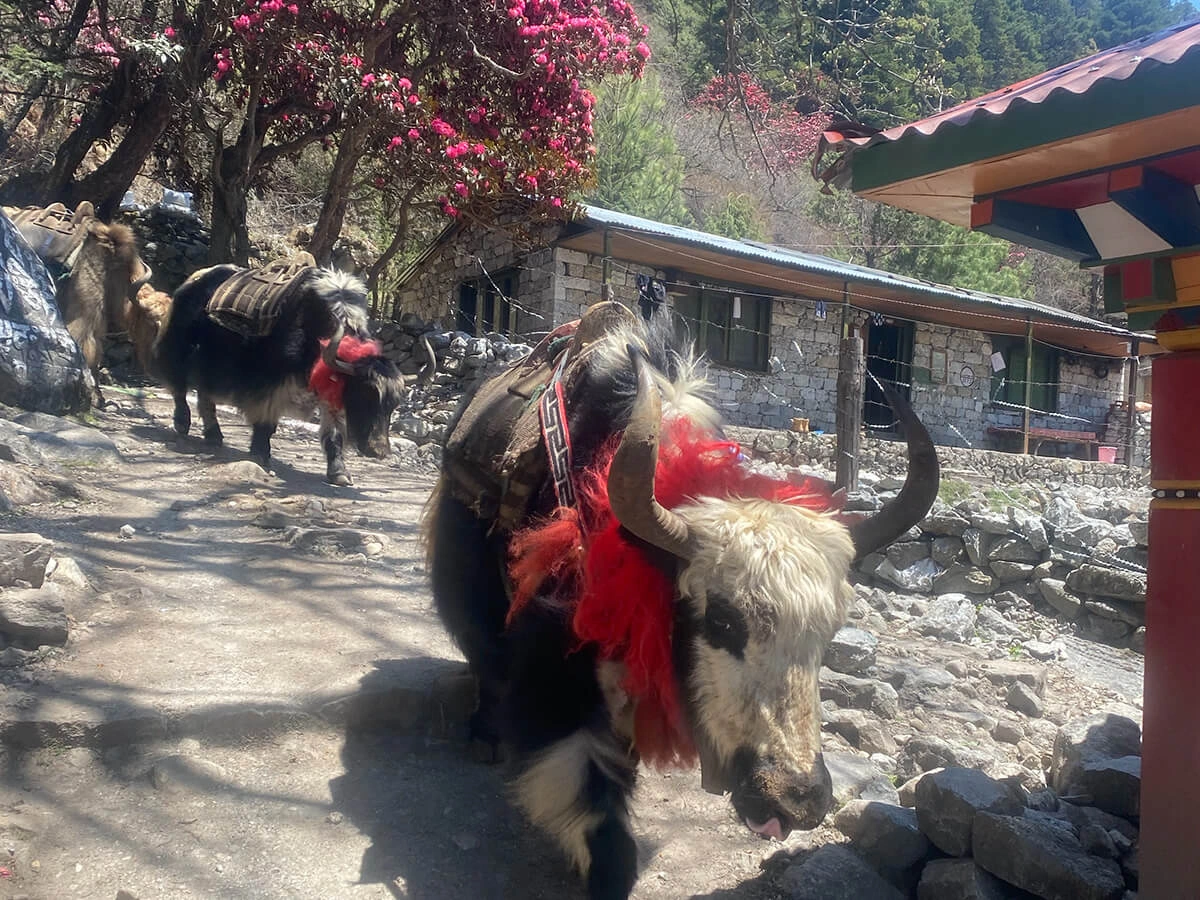
Rooms themselves are basic everywhere on this route: usually twin beds with a thick mattress, pillow, and blankets; a small table; and not much else, since the dining hall (heated, usually by a central yak-dung stove) is where everyone actually spends their evenings. Hot showers, device charging, and Wi-Fi are generally available at lodges for a small extra fee, and that fee tends to increase the higher up you go, since everything from fuel to supplies has to be carried in by porters or yaks.
Most trekking packages bundle teahouse stays with full board meals, so breakfast, lunch, and dinner are included and served at the lodge's dining hall, offering a mix of local Nepali dishes (dal bhat, of course) and simpler Western, Korean, Chinese, and Indian options like pasta or fried rice, Momo, thukpa, Pizza, Macaroni, Sizzler, lasaniya, etc. If you want a noticeably higher standard of accommodation, some operators also run "luxury" or "teahouse plus" versions of this trek using upgraded lodges with better bedding, attached bathrooms with heaters further up the route, and more comfortable common areas, which is worth asking about if comfort matters more to you than budget.
One practical note for planning: rooms in popular villages like Namche and Tengboche can fill up fast during peak spring and autumn, so trekking with an agency that pre-books your accommodation, rather than just showing up and hoping for a free room, is the more reliable approach.
Most trekkers stay at teahouses.
Facilities usually include:
- double room
- Dinning halls
- Hot food
- Charging stations
- WIFI (at an extra charge)
- Bigger settlements like Namche Bazaar have far better accommodation standards and deluxe.
Food & Meals:
Meals on this hike follow the usual teahouse pattern throughout the Khumbu, with breakfast, lunch, and dinner taken in lodges en route rather than at any separate restaurants.
A typical day starts with a hearty breakfast of porridge, eggs, toast, pancakes, or Tibetan bread with tea or coffee before going off on the day’s walk. Lunch is frequently eaten en route, at a teahouse somewhere in the middle of the day's hike, often something like fried rice, noodles, or a simple soup, providing you with a stop to refuel mid-walk. Dinner back at the overnight lodge is usually the largest meal, and most teahouses offer a mix of Nepali staples and simplified Western comfort food: dal bhat (lentils, rice, curry, and pickle, often with unlimited refills), momos, fried noodles, pasta, pizza, and soups are all common across the region.
There are several useful patterns to know about. Dal bhat is usually the best choice in terms of nutrition and value because it's the freshest, most filling, and refillable. Heavier Western dishes can be hit or miss, depending on how far components have to be hauled in. Up high, above places like Namche, freshness becomes a serious worry. Many guides also recommend avoiding meat at higher elevations simply because the supply lines get longer and refrigeration less reliable the higher you climb.
Hot liquids are also a prominent part of the culture: black tea, milk tea, ginger tea, and garlic soup (a local favorite, considered to help with acclimatization) are all commonly available and worth tasting. It is recommended to avoid bottled water for environmental as well as cost reasons. Most trekkers clean their water with purification pills or a filter or buy boiled water from teahouses, which is usually cheaper and trustworthy.
And one more financial note: meal prices will be up considerably with altitude, as everything has to be brought in by porter or yak; thus, a plate of dal bhat or a pot of tea will be two or three times pricier in Pangboche than in Lukla. If you’re on a full-board journey, this is already included in the package, but it’s good to know if you’re budgeting for snacks, additional beverages, or treats along the route.
Common trekking foods are:
- Dal Bhat Noodles
- Fried Rice Rice Noodles
- Soups
- Pancakes.
- Eggs
- Coffee & Tea
- Dal Bhat is still the most popular option as it provides constant energy at altitude
Dal Bhat in Nepal: Why is it good for trekkers?
Dal bhat is basically the trekker's fuel of choice in Nepal, and for good reason.
The classic set is lentil soup (dal), steamed rice (bhat), a vegetable curry (tarkari), and often a pickle or chutney (achar), sometimes with greens or a bit of meat on the side. That combination gives you a solid mix of carbs, protein, and fiber, which is exactly what your body needs for long days of climbing at altitude.
The biggest practical perk: at most teahouses and lodges along the trekking routes, Dal Bhat comes with unlimited refills. You can keep asking for more rice, dal, and curry until you're full, making it incredibly cost-effective and ideal for replenishing the huge number of calories burned while trekking.
It's also what's actually available. In remote mountain villages, supply chains are limited, so dal bhat is often the most consistently fresh and reliably cooked option, rather than pizza or pasta on a trekking menu, which may have sat around longer or used less reliable ingredients.
There's a saying among guides and porters: "DAL BHAT POWER, 24 HOURS," a nod to how the meal is considered the energy source that keeps people moving on multi-day treks. It's simple, plant-based (in its most common form), easy on the stomach, and filling enough to get you through a full day on the trail.
Porter & Guide Services:
On the Ama Dablam Base Camp Trek, hiring a guide and porter is standard practice and increasingly close to mandatory in this region. A guide on this route is typically a government-licensed, English-speaking trek leader who knows the trails, manages logistics with teahouses, helps with altitude acclimatization decisions, and can coordinate emergency response if something goes wrong. Most operators provide one assistant guide for every five/ten or more trekkers in a group, so smaller groups usually trek with just the main guide.
Porters handle the heavy lifting, literally. The standard arrangement is one porter for every two trekkers, with a per-trekker luggage weight limit of around 9-10 kg, though some companies cite a slightly higher 20 to 22 kg per porter when split across two clients. But at Nepal Mother House Treks, we provide a porter who carries 25 kg, including 4-5 kg of his personal gear. This means you only carry a light daypack with water, snacks, and a layer or two, while your duffel with the bulk of your gear proceeds with the porter team.
On pricing, costs for guides and porters are usually bundled into the overall trek package rather than billed separately, since the package covers their meals, insurance, salary, lodging, transportation, flights, and necessary equipment. On comparable Nepal treks, independent guide rates run roughly $25 to $35 a day, while porters charge $18 to $25 a day, though rates in the Khumbu region are a bit higher due to the cost of flights and supplies into Lukla.
A few practical notes worth knowing: tipping is customary at the end of the trek, often around 10%-15% of your total expenses for the guide and porter, though it's subject to individual judgment. Government regulation recently has also pushed toward requiring foreign trekkers to hire a licensed guide for treks outside the Kathmandu Valley, so booking through a registered agency is the more reliable route rather than trying to go fully independent. If you're working out a budget or itinerary for this trek, we are happy to help sketch that out too.
Advantages of hiring a guide are the following:
- Security
- Local know-how
- Navigation aid
- Culture insights
- Support the local livelihood
Porters lessen the physical burden of trekking and increase the pleasure of it. Trekkers often hire native guides and porters, and many believe that this greatly enriches the whole experience.
Important Pre-Arrival Notes for Ama Dablam Base Camp Trekkers:
1. Arrival at Tribhuvan International Airport (TIA), Kathmandu
Please inform Nepal Mother House Treks before your arrival, including your arrival date, airline name, flight number, arrival time, and departure city. If possible, please email a copy of your flight ticket in advance, as airport security sometimes asks for the flight details of individuals picking up guests. Our representative will be waiting for you at the arrivals gate holding a sign with your name and Nepal Mother House Treks. If you cannot find them, call or WhatsApp: +977 9841368753 (Karna).
If there are any last-minute delays or changes to your flight, please tell the crew straight away so they can make alternative pick-up arrangements.
Breaking alert at major airport: At the arrival gate, strangers may approach you and offer to carry your bags or help you in other ways. Do not use them at all. Follow only the individual with your nametag and the company board. If you want to tip someone, give it only to the driver or company officials who escort you to the hotel.
2. Visa on arrival in Nepal
Upon arriving at Kathmandu Airport, you can obtain a Nepal visa. Fees at the moment are
- $30.00 for 15 days
- $50 USD for 30 days
- $125 for 90 days
You can also apply for a Nepal e-Visa online before you fly at nepaliport.immigration.gov.np. If applying online, print a copy of your application confirmation to streamline the process at the airport.
Send your visa or visa submission number to your trek coordinator by email or WhatsApp. Trekking permits for the restricted area cannot be processed without it.
Check the expiration date of your passport: it must be valid for at least 6 months from the date of arrival in Nepal. Please check the date before you book flights.
3. Passport-size Photos, Passport Copy & Documents
Every participant should bring at least 2 passport-size photographs. These are required for trekking permits and travel insurance registration. Photocopy your passport. Inform Nepal Mother House Treks in advance of your full name, date of birth, passport number, nationality, gender, and e-mail address.
4. Travel Insurance (Mandatory for this expedition)
Travel Insurance: We highly recommend it, and it's almost compulsory with at least 4,600 meters of elevation coverage for the Ama Dablam Base Camp Trek. This will include emergency helicopter evacuation and medical treatment at altitude. Insurance is expected to be somewhere from USD 90 to USD 289, depending on your age and provider.
The Himalaya Guardian Insurance is a really good alternative, and they provide a GPS and Biedou satellite tracking gadget. In case of emergency, the gadget button must be pushed to trigger an instant evacuation reaction. The price is USD 109 to USD 180 per person without a gadget (USD 162 to USD 384 with one) at 5,500 m for up to 14 days. Book through and select Nepal Mother House Treks as your agent.
Other reputable names are World Nomads, Allianz, AXA, and Travel Guard. Whoever you buy from, ensure that the insurance specifically includes helicopter evacuation at an altitude exceeding 5,000m.
5. What to know about the flight from Kathmandu to Lukla
The flight from Kathmandu to Lukla is one of the world's most weather-dependent short-haul routes and is the biggest single variable in any Khumbu trekking itinerary. This is what every trekker must know before arriving:
Lukla’s Tenzing-Hillary Airport has a short, sloping runway at 2,860m and is surrounded by mountains, so it only operates flights in very specific visibility conditions. A light cloud cover or morning fog can put a halt to all departures for hours or an entire day.
Delays and cancellations are common, especially in the shoulder months of the monsoon and early winter. Trekkers sometimes wait one, two, or even three days in Kathmandu or Lukla for a weather window to open up. Build in at least a day or two of buffer on either side of the trek in your overall travel itinerary so you can take in any possible disruptions without missing that international connecting flight.
The rule is to book flights in the morning. Lukla flights almost always depart in the early morning, generally between 6:00 and 9:00 AM, when the mountain air is most stable. They don't usually fly in the afternoon in this part of the world when the thermals are rising. This means that if your morning flight is cancelled, you will usually have to wait until the next morning for the next available flight.
During peak seasons, air traffic heavily congests the Kathmandu airspace, and airlines increasingly standardize alternative routing through Ramechhap (Manthali Airport). If your flights are from Ramechhap, the journey involves an early morning drive from Kathmandu of around four to five hours, so an extremely early start (sometimes 1.00 to 2.00 AM) is required.
Consult us for the departure airport that applies to your itinerary and plan your Kathmandu hotel night accordingly.
What to pack in your carry-on for Lukla: Always keep in your daypack the essentials for one night, your medications, valuables, and important documents in case bags, and passengers travel on different flights because of weight restrictions. Do not put them in the duffel that goes with the porter.
6. Cash & ATM
Most trekking routes in Nepal work on cash. Before traveling to Lukla, ensure you have enough Nepali Rupees (NPR) from Kathmandu, as there are no ATMs along the trail, and those that exist at Lukla and Namche are unreliable. Money can be exchanged at hotels and some guesthouses along the trail, but at lower rates than in Kathmandu banks. In some teahouses, the cards accepted generally have a bank surcharge. Usually, bring enough cash for all teahouse extras, Wi-Fi, hot showers, charging fees, personal snacks, and tips for your guide and porter.
If you need any clarification before you arrive, please contact Nepal Mother House Treks on WhatsApp +977 9841368753 or by email at [email protected]. Safe trip and welcome to Nepal!