Who Was Francys Arsentiev?
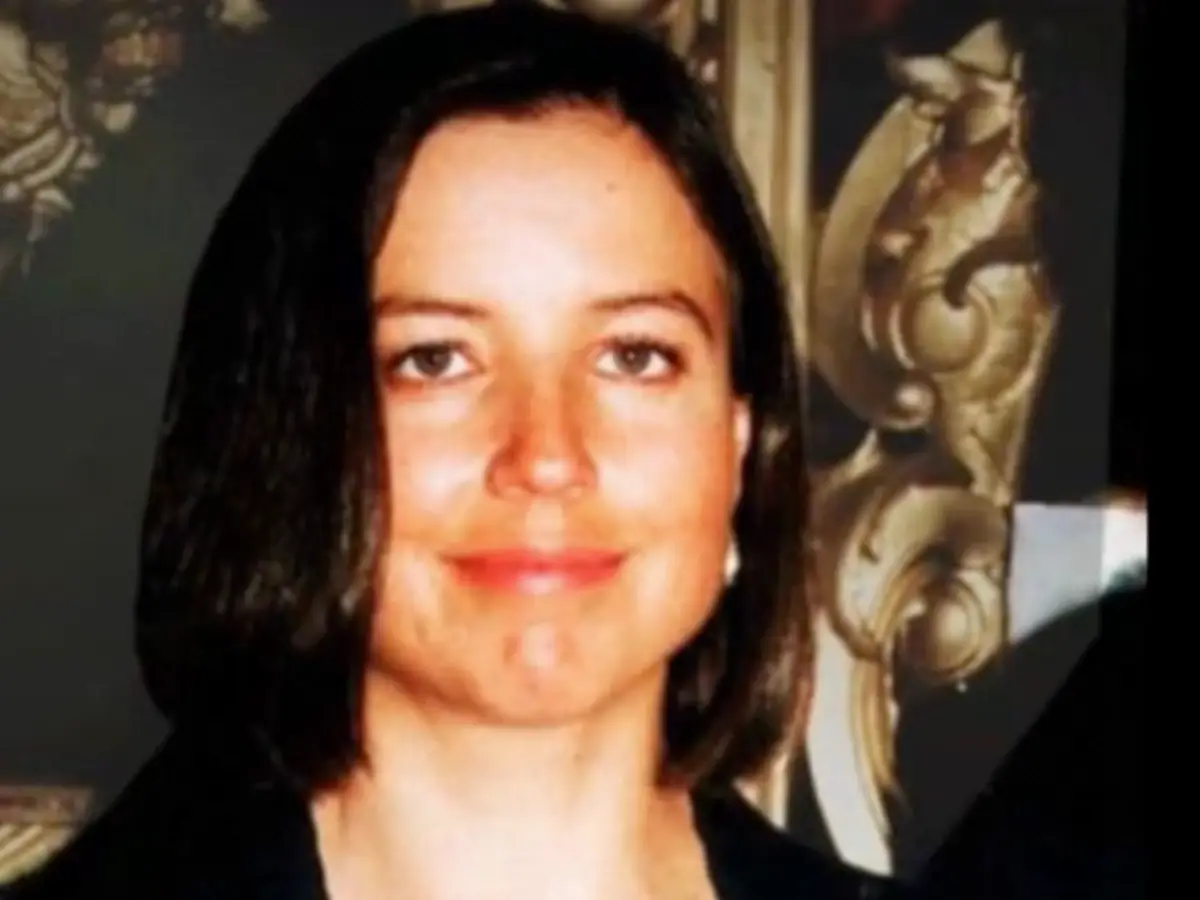
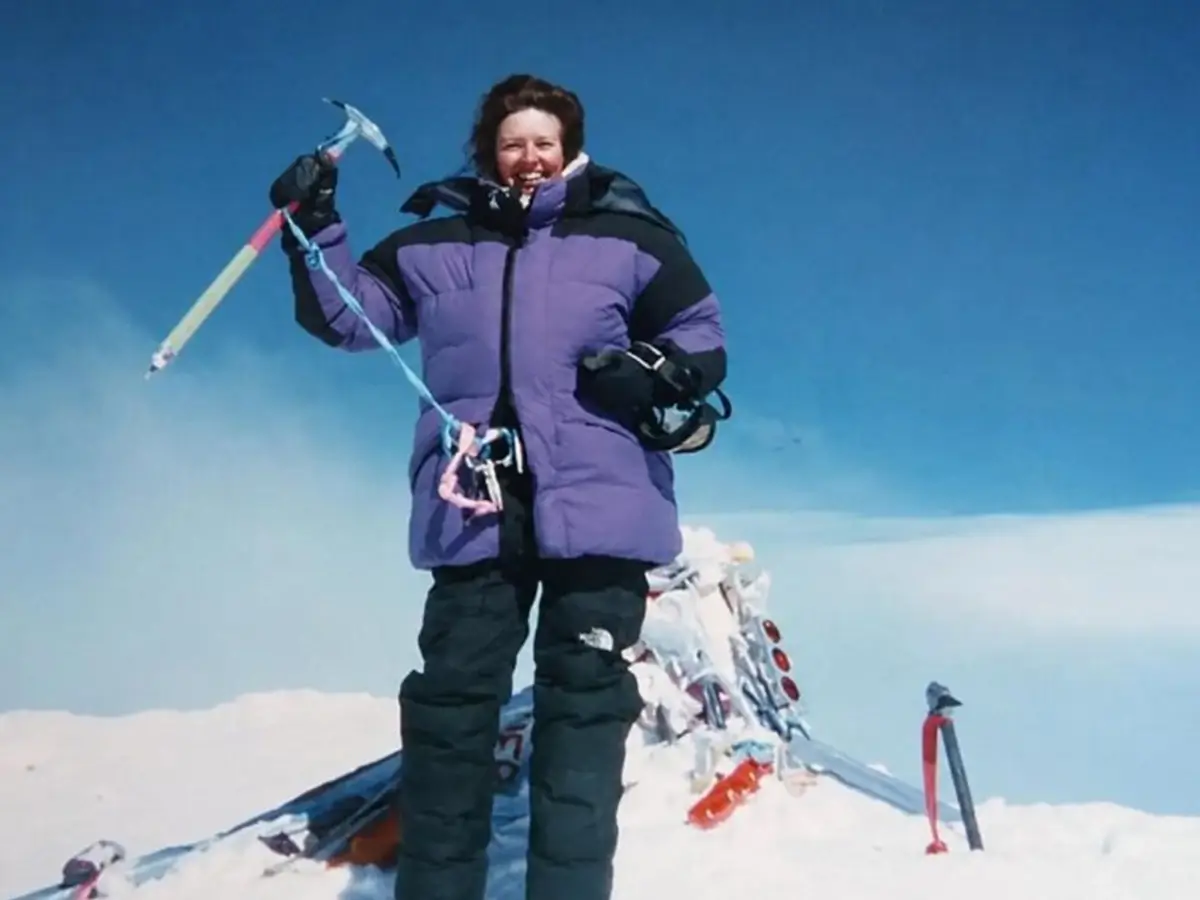
Francys Arsentiev (January 18, 1958 – May 24, 1998) was an American mountaineer who, on May 22, 1998, became the first American woman to reach the summit of Mount Everest without bottled oxygen. She died two days later during her descent, at 40 years old.
Francys grew up in Honolulu and had a serious climbing résumé long before she ever set foot on Everest. She'd summited Denali by the West Buttress route, made a first ascent on a nearly 5,800-meter peak in Russia—one she and her husband named Peak Goodwill—and become the first American woman to ski from the summit of Mount Elbrus, having climbed both its peaks. In 1992 she married Sergei Arsentiev, a Russian mountaineer, and by the time of the Everest expedition she was also stepmother to her son Paul Distefano, then 11 years old.
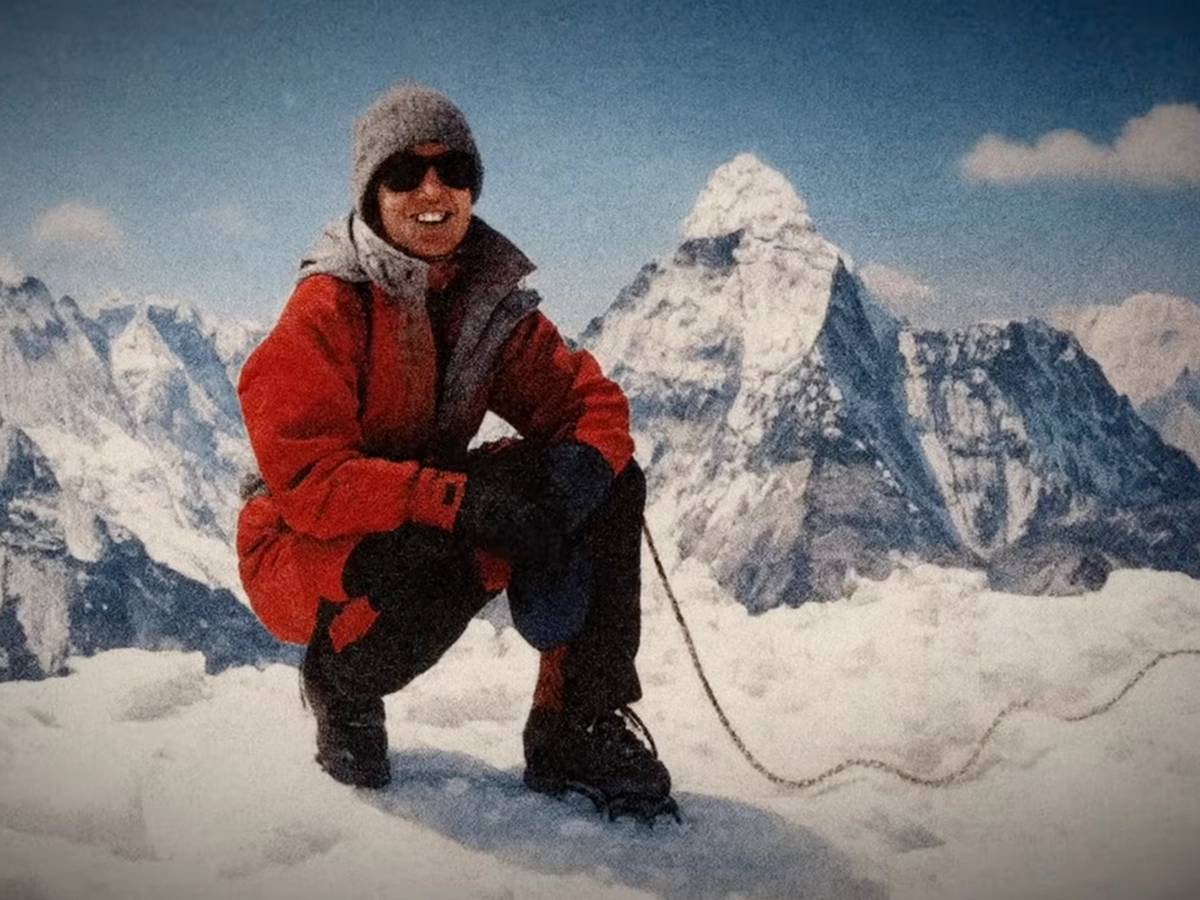
Her aim on Everest wasn't just to summit—it was to do it without supplemental oxygen, a distinction no American woman had achieved. Above 8,000 meters, climbing without bottled oxygen isn't a matter of toughness; the body is already failing at that altitude no matter how fit the person is, and forgoing oxygen stretches every margin of safety dangerously thin.
|
Born
|
January 18, 1958, Honolulu, Hawaii
|
|
Key ascents before Everest
|
Denali (West Buttress); first ascent, Peak Goodwill, Russia; Mt. Elbrus (both summits, skied down)
|
|
Married
|
Sergei Arsentiev, 1992
|
|
Everest summit
|
May 22, 1998 — first American woman to summit without supplemental oxygen
|
|
Died
|
May 24, 1998, above 8,000m on Everest's north side
|
What Actually Happened on Everest in 1998?
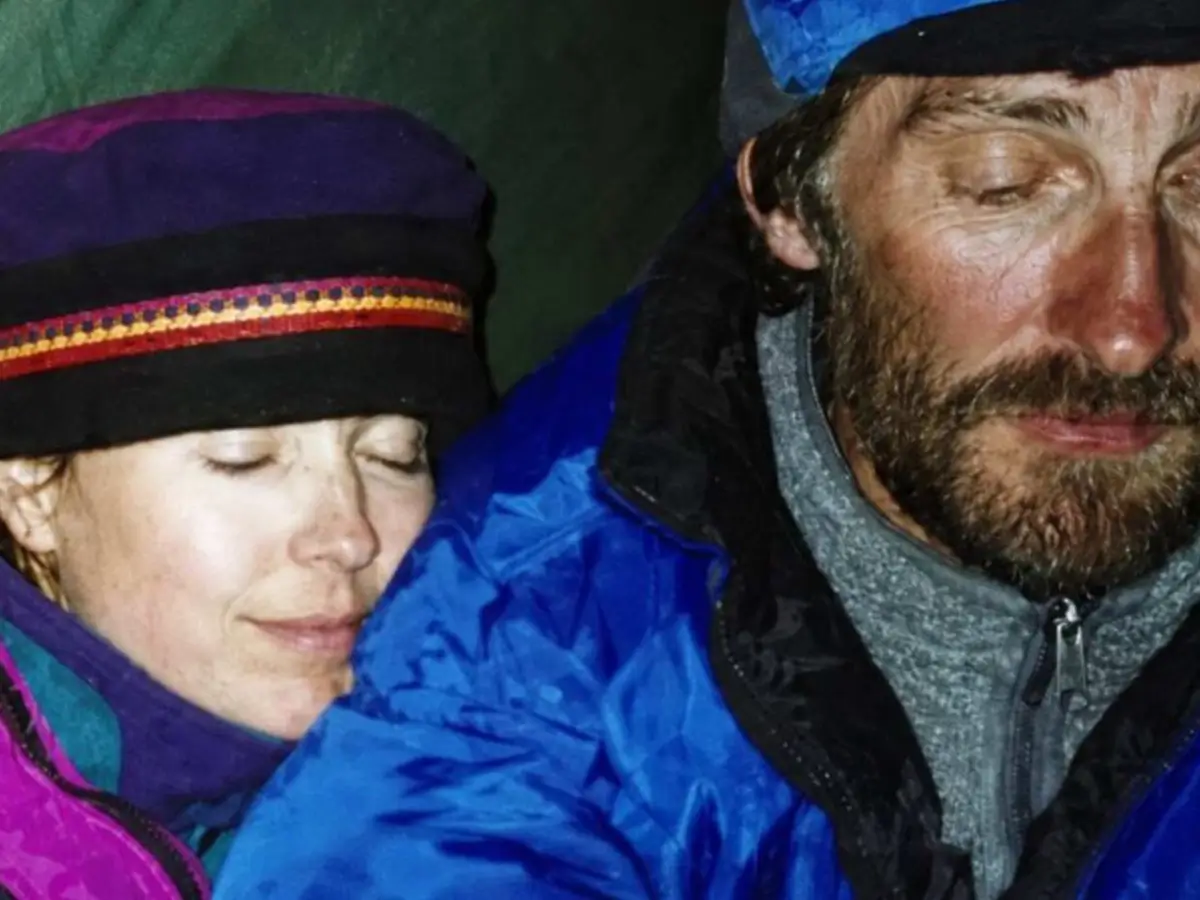
Francys and Sergei Arsentiev reached the summit on May 22, 1998, without oxygen support. They got separated in the dark during the descent. Other climbers found Francys alive the next morning but too weak to move; despite attempts to help her, she died on May 24. Sergei died trying to climb back up to her; his body wasn't found until the following year.
The couple climbed the north side of the mountain without bottled oxygen and without a dedicated Sherpa support team. After their summit push on May 22, the physical toll of hours spent in the Death Zone caught up with them on the way down, and somewhere in the dark, they lost track of each other.
The next morning, a team of Uzbek climbers heading up for their summit attempt came across Francys. She was conscious but severely weakened by hypoxia and frostbite, unable to walk on her own. They gave her what oxygen they could spare and helped her move partway down the mountain, but they eventually had to press on toward the summit themselves, running low on strength and oxygen. On their way back to camp that evening, they passed Sergei, climbing upward toward his wife. No one saw him alive again.
The following morning, May 24, British climber Ian Woodall and South African climber Cathy O'Dowd — along with more Uzbek climbers — found Francys still on the fixed ropes. They gave up their summit attempts and spent over an hour trying to help her, but between the cold, her condition, and where she was, there was no way to get her down. She died where she lay, still clipped in.
What happened to Sergei stayed a mystery for almost a year. In 1999, Jake Norton—part of the expedition searching for the remains of George Mallory and Andrew Irvine—found his body lower on the mountain, suggesting he'd fallen during his attempt to reach her.
A few dramatic quotes attributed to Francys in her final hours circulate widely online. They aren't consistently verified across primary sources, so this guide doesn't present any single version of them as settled fact.
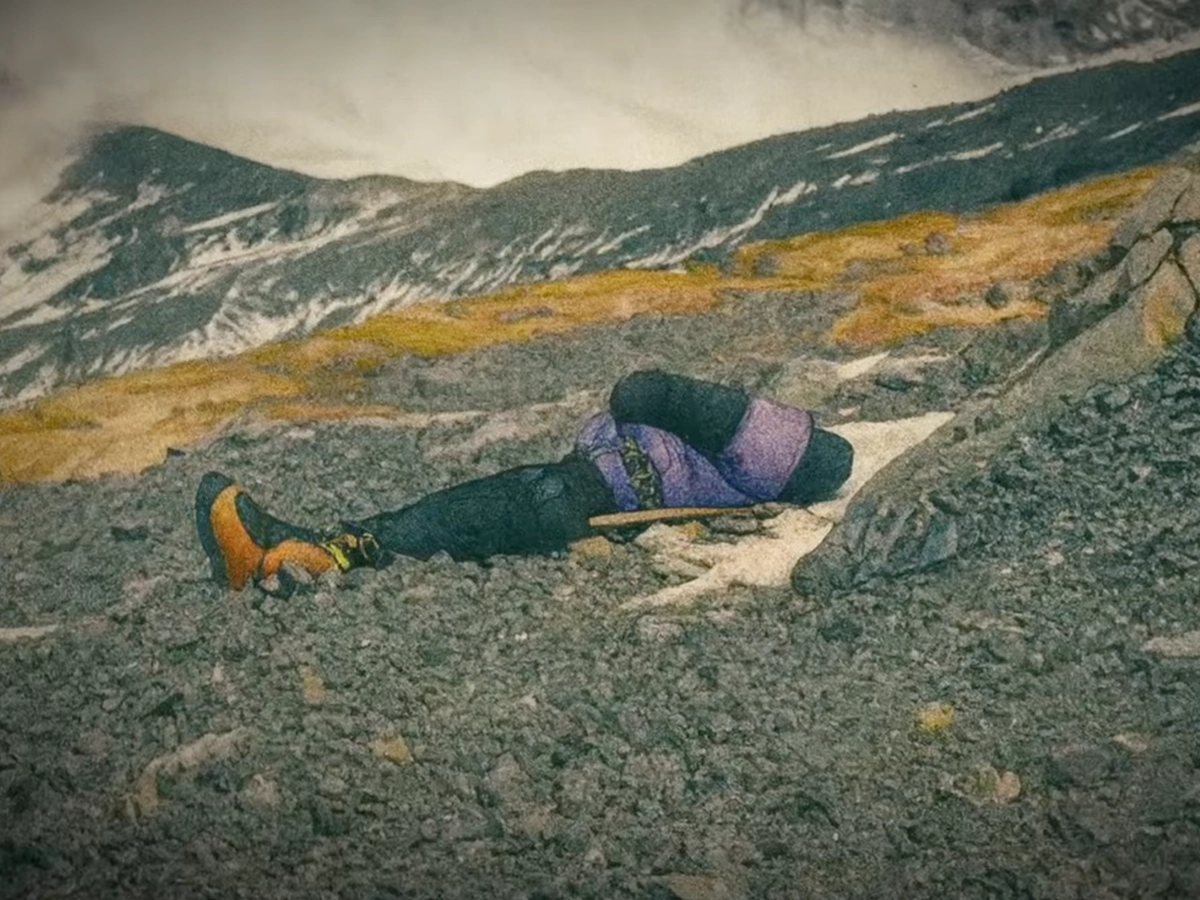
Why Do People Call Her "Sleeping Beauty"?
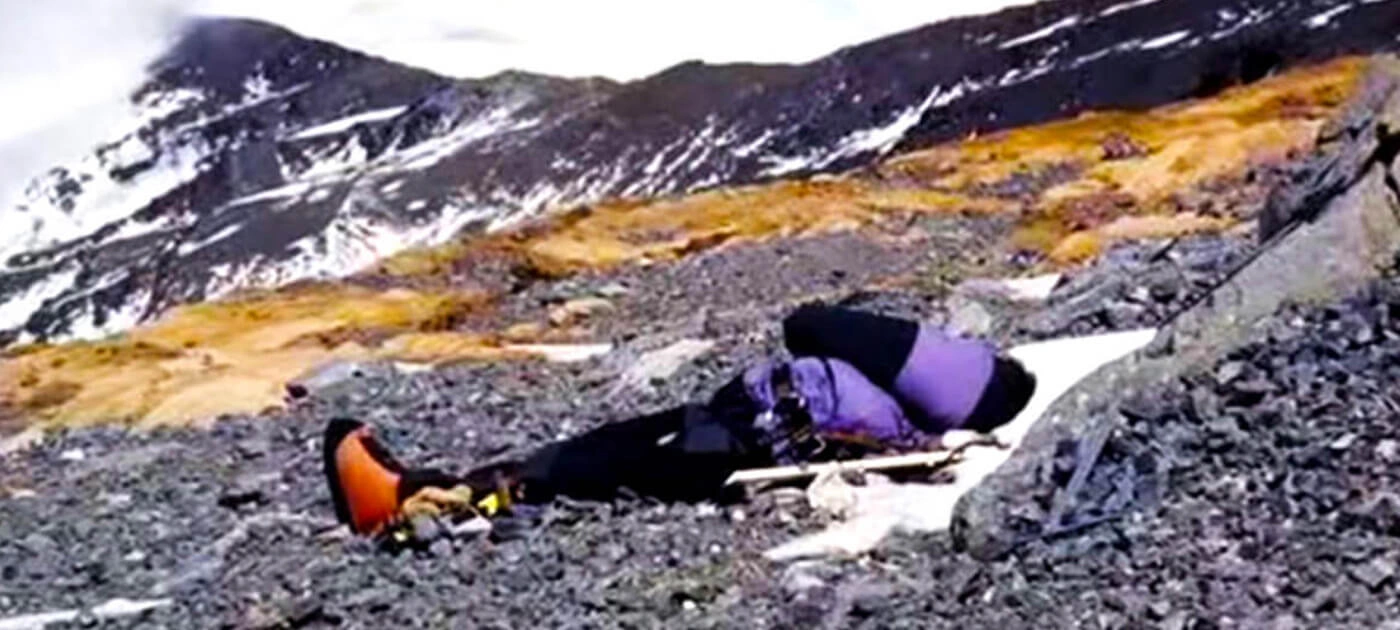
Climbers who passed her body over the following years used the nickname because of how she looked—resting on her side in her purple jacket, seemingly at peace. It's a name that has always sat uncomfortably with people who actually knew her.
The name grew out of visual shorthand between climbers passing a fixed rope at 8,500 meters—nobody chose it for her, and nobody close to her found it comforting. For her family, and especially for her son, having images of her body circulate publicly for years compounded an already devastating loss.
That changed in 2007. Ian Woodall—one of the climbers who'd tried to save her in 1998—returned to Everest specifically to move her remains out of view of the climbing route, wrapping her in an American flag before doing so. It's one of the rare cases of a body being deliberately relocated on Everest purely out of respect, not logistics, and it belongs in the story whenever her nickname comes up.
Where Is "Sleeping Beauty" Located on Everest?
Francys Arsentiev's body rested on Everest's north side (the Tibet approach), along the northeast ridge route, at roughly 8,500–8,600 meters—well within the Death Zone. There's no published coordinate, and no credible source treats this as a site with a marker.
The northeast ridge is one of Everest's two standard commercial routes, along with the South Col route, which is climbed from Nepal and is associated with Everest Base Camp expeditions. Because her body lay directly beside the fixed ropes on this route, it remained visible to nearly every climber attempting the summit from the Tibet side between 1998 and 2007.
Can Everest Base Camp Trekkers See Her—or Any Bodies?
No. Everest Base Camp on the Nepal side sits at roughly 5,364 meters — more than 2,600 vertical meters below the 8,000-meter Death Zone. Trekkers never come near the route, altitude, or terrain involved in this story.
This is worth stating plainly because a lot of the search interest around "Everest bodies" comes from people who are actually planning, or just curious about, the standard Everest Base Camp trek—and the honest answer is that the two experiences barely intersect. Reaching Base Camp is a demanding high-altitude trek that requires real fitness and patience with acclimatization, but it has nothing to do with fixed ropes, oxygen systems, or the terrain where climbers die on summit attempts. Actually climbing to the top of Everest is a different undertaking entirely—technical, permit-heavy, oxygen-dependent, and genuinely life-threatening in a way base camp trekking isn't.
What Is the "Death Zone"?
The Death Zone is the altitude band above 8,000 meters (about 26,247 feet), where atmospheric oxygen sits at roughly a third of sea-level levels. No amount of acclimatization lets the human body adapt here—it starts deteriorating the moment it arrives, and every additional hour raises the odds of impaired judgment, altitude illness, or death.
At this height, the body is effectively dying in slow motion: thinking slows, decisions get worse, and conditions like High Altitude Cerebral Edema (HACE) and High Altitude Pulmonary Edema (HAPE) can turn fatal within hours. That's the core reason rescues above 8,000 meters are so rare—anyone attempting one is exposed to the same risks as the person they're trying to save, racing against their body's failing window.
Why Are Bodies Left on Everest?
Recovering a body from above 8,000 meters usually takes several strong climbers, can cost tens of thousands of dollars, and puts the recovery team at serious risk of dying too. Many families and climbing communities have decided that leaving someone where they died is the safer and often more respectful choice.
A body frozen at extreme altitude can be far heavier and more awkwardly positioned than it was in life, often wedged into terrain that makes moving it genuinely dangerous. Neither Nepal nor China legally requires recovery, so in practice it only happens when a family specifically requests and pays for it, as the Arsentiev family did in 2007. Separately, organized efforts like those from the Sagarmatha Pollution Control Committee and Nepali Army expeditions periodically clear waste, gear, and, occasionally, remains from the mountain's more accessible lower sections.
A Short History of Climbing Everest
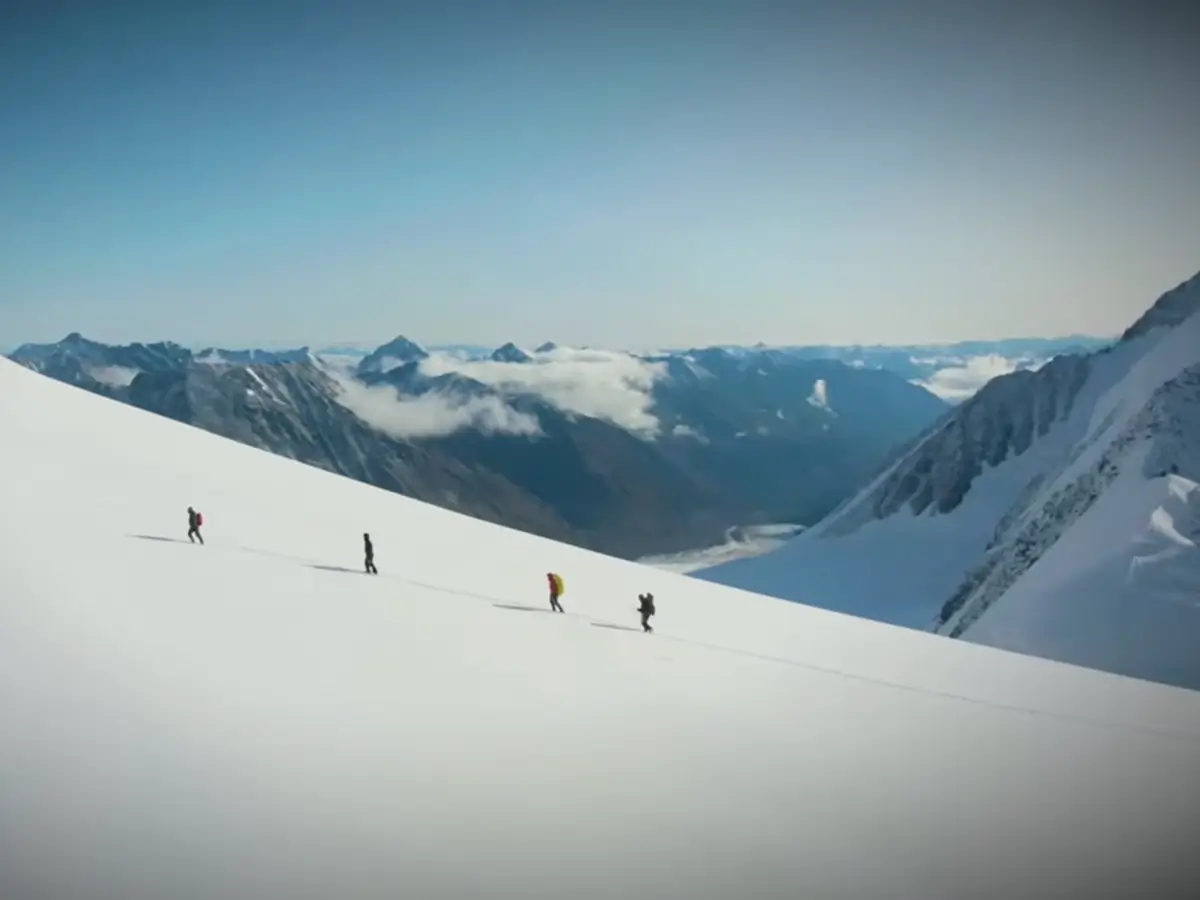
On May 29, 1953, Edmund Hillary and Tenzing Norgay Sherpa first summited Everest. Commercial guiding has since opened the summit to far more climbers, while disaster years — 1996, 2014, and 2015 in particular — have repeatedly shown how little margin for error exists near the top.
Hillary and Norgay's climb, via Nepal's South Col route, set the template most commercial expeditions still follow. The 1996 season became notorious after a single storm killed eight climbers, an event later covered extensively in books and film. 2014 and 2015 brought different tragedies—an icefall collapse that killed sixteen Nepali workers in 2014 and the earthquake-triggered avalanche that hit Base Camp itself in 2015.
No honest account of Everest's history leaves out Sherpa climbers, who shoulder a disproportionate share of the mountain's danger—fixing ropes, hauling loads through the Khumbu Icefall repeatedly each season, and guiding clients through the most hazardous stretches—while receiving far less recognition than their role deserves.
Understanding Everest Base Camp
Everest Base Camp on the Nepal side sits at approximately 5,364 meters. It's a seasonal tent camp, not a permanent site, serving as the staging ground for summit attempts mainly in spring and, to a lesser degree, autumn. It's a serious destination in its own right, but conditions there have little in common with the summit route above 8,000 meters.
The Trek Itself
The standard Everest Base Camp trek runs about 12–14 days round trip from Lukla, gaining altitude gradually with built-in rest days at Namche Bazaar and Dingboche for acclimatization. It's classified as strenuous, not technical—no ropes, no oxygen tanks, and no climbing skills needed—though it absolutely demands solid cardiovascular fitness and genuine caution around altitude.
It's a realistic goal for fit trekkers with no prior mountaineering background, as long as they build in time to acclimatize and travel with a guide who treats altitude seriously. Options in the region range from the standard Everest Base Camp Trek to more comfort-oriented Everest luxury trek itineraries and the shorter, lower-altitude Everest View Trek for those short on time or wary of extended high-altitude exposure.
Trekking Responsibly in the Khumbu
Walking through the Khumbu means passing through Sherpa communities whose lives and livelihoods are tied to this mountain, including its losses. That's worth remembering on the trail: stick to your guide's acclimatization schedule instead of rushing; follow Leave No Trace practices at camp and in teahouses; and take porter welfare and fair tipping seriously—porters carry outsized physical risk for comparatively little pay, and the best operators build fair treatment into the trip rather than leaving it up to individual travelers.
Frequently Asked Questions (FAQ)
Who is Everest's "Sleeping Beauty"?
Francys Arsentiev, an American climber who died on Everest's north side on May 24, 1998, two days after becoming the first American woman to summit without supplemental oxygen. Climbers nicknamed her body "Sleeping Beauty" for how she appeared at rest.
What was Francys Arsentiev's real name?
Francys Arsentiev, born Francys Distefano. "Sleeping Beauty" was a nickname given by other climbers, never a name she used herself.
When did she die?
May 24, 1998, on Everest's north side, above 8,000 meters.
Was she married?
Yes, to Russian mountaineerSergei Arsentiev since 1992. She also had a son, Paul Distefano, from an earlier relationship.
Did she actually reach the summit?
Yes—on May 22, 1998, she became the first American woman to do so without supplemental oxygen. She died during the descent two days later.
What happened to her husband?
Sergei died attempting to climb back up to reach her after they were separated. His body was found a year later, in 1999, by climber Jake Norton.
Was she using supplemental oxygen?
No. Both Francys and Sergei climbed without bottled oxygen—central to her goal, but also a major factor in the exhaustion and impaired judgment that contributed to their deaths.
Who found her on the mountain?
Several climbers, including a team from Uzbekistan and, separately, Ian Woodall and Cathy O'Dowd, all of whom tried and failed to get her to safety.
Why couldn't anyone rescue her?
Above 8,000 meters, sustained rescue attempts put the rescuers' own lives at serious risk. The climbers who reached her gave what help they could—oxygen, physical support—but couldn't move her before their strength and supplies gave out.
Is the nickname considered disrespectful?
Many people, including those close to her, consider it uncomfortable, since it reduced a person's death to mountaineering shorthand. It's used here only descriptively, never to romanticize what happened.
Was her body ever moved?
Yes. In 2007, Ian Woodall led an expedition specifically to relocate her remains away from the visible climbing route, wrapping her in an American flag.
Has her family spoken about it publicly?
Her son, Paul Distefano, has spoken publicly about losing his mother and about the lasting impact of seeing images of her body circulate for years.
Where exactly is she located?
On Everest's north side (Tibet), along the northeast ridge route, at roughly 8,500–8,600 meters. Coordinates are not published, and publishing any would be inappropriate.
What altitude marks the start of the Death Zone?
Above 8,000 meters (about 26,247 feet), oxygen levels are near a third of sea-level values, and the body can no longer acclimatize.
Can climbers still see her body today?
No — it was moved out of the route's sightline in 2007.
Which route was she climbing?
Climbers approach Everest's north side and northeast ridge from Tibet.
How far is Base Camp from the Death Zone?
On the Nepal side, Base Camp sits around 5,364 meters — over 2,600 vertical meters below the 8,000-meter threshold.
Why is rescue nearly impossible that high up?
Rescuers face the same oxygen deprivation and cold as the person they're helping, with a shrinking window before their condition turns critical.
Do Base Camp trekkers ever encounter bodies on the mountain?
No. Base Camp sits thousands of meters below where most Everest deaths occur, and trekkers never travel the summit routes.
Is the base camp trek as dangerous as summiting?
It carries real altitude-related risk and deserves to be taken seriously, but it involves none of the technical climbing, fixed ropes, or extreme altitude of an actual summit attempt.
What's the real difference between trekking to Base Camp and climbing Everest?
Base camp trekking is a strenuous but non-technical hike to about 5,364 meters. Climbing Everest is a technical expedition involving ropes, supplemental oxygen, and the Death Zone above 8,000 meters.
Do I need to have climbing expertise to do the base camp trek?
No technical skills are needed, but a good level of fitness and disciplined acclimatization are vital.
How high is Everest Base Camp?
About 5,364 meters (17,598 feet) on the Nepal side.
How long is the Base Camp trek?
The trip typically lasts 12–14 days, including acclimatization days.
Why are bodies left on Everest at all?
Recovery above 8,000 meters is costly, physically dangerous, and often close to impossible, so most bodies stay where climbers died unless a family arranges a private recovery.
What does it cost to recover a body from Everest?
Reported figures often run into the tens of thousands of dollars, depending on location and conditions, and every recovery carries real risk to the team involved.
How many bodies remain on Everest?
Estimates aren't precise, but well over 100 are believed to remain, mostly above 8,000 meters.
Is it legal to leave a body on Everest?
Yes. Neither Nepal nor China requires recovery by law, and most bodies stay unless a family funds a private effort.
What's being done about it?
Groups including the Sagarmatha Pollution Control Committee and Nepali Army-led expeditions run periodic cleanups focused on waste, equipment, and occasionally remains from more reachable sections of the mountain.
Who first summited Everest?
Edmund Hillary and Tenzing Norgay Sherpa, together, on May 29, 1953.
Which year had the most deaths on Everest?
The most often cited is 1996, when eight climbers were lost in a single storm; however, 2014 and 2015 both experienced significant losses from unrelated reasons.
How many people have died on Everest overall?
Estimates put the total above 300 since climbing began, though exact figures vary by source.
What role do Sherpas play on Everest expeditions?
The Sherpa mend ropes, carry loads through the most dangerous areas, like the Khumbu Icefall, and lead clients—bearing a disproportionate share of the mountain's risk.
What is altitude sickness, and how does it affect climbers and trekkers differently?
It is caused by low oxygen at altitude and varies from mild headaches and nausea to possibly lethal HACE and HAPE. Trekkers usually confront considerably lesser forms of it than climbers do in the Death Zone.
When's the best time to trek to Everest Base Camp?
Spring (March–May) and autumn (late September–November), when weather is most stable.
Final Thoughts
Francys Arsentiev's story keeps resurfacing because it sits at the crossing point of real achievement, devastating loss, and the uncomfortable reality of a mountain where rescue is often simply not possible. It deserves to be told carefully — and it deserves to be kept clearly separate from the very different, much lower-risk experience of trekking to Everest Base Camp. If this region has caught your interest, the responsible way to see it is with a guide who takes acclimatization, safety, and the local community seriously.