Featured Snippet Answer Bank
What is Everest Place?
Everest Place is the umbrella term for the Everest region—the geographical area that encompasses Mount Everest, the Khumbu Valley, Sherpa villages, and Sagarmatha National Park. It describes the destination as a whole, not just the peak.
What does Sagarmatha mean?
In Nepali, Mount Everest is called Sagarmatha, which means “Forehead of the Sky” or “Peak of Heaven.” The Nepalese government adopted it to show the identity of the country, different from the English name given in 1865.
What is Chomolungma?
Chomolungma is the Tibetan name for Mount Everest: "Goddess Mother of the World." It symbolizes the mountain’s profound spiritual importance in Tibetan Buddhist culture on the Tibet side of the border.
What is Khumbu?
The Khumbu is the highland region of northeastern Nepal surrounding Mount Everest, home to the Sherpa people, Sagarmatha National Park, and the main trekking routes to Everest Base Camp, Gokyo Lakes, and the Three Passes.
What is Everest Base Camp?
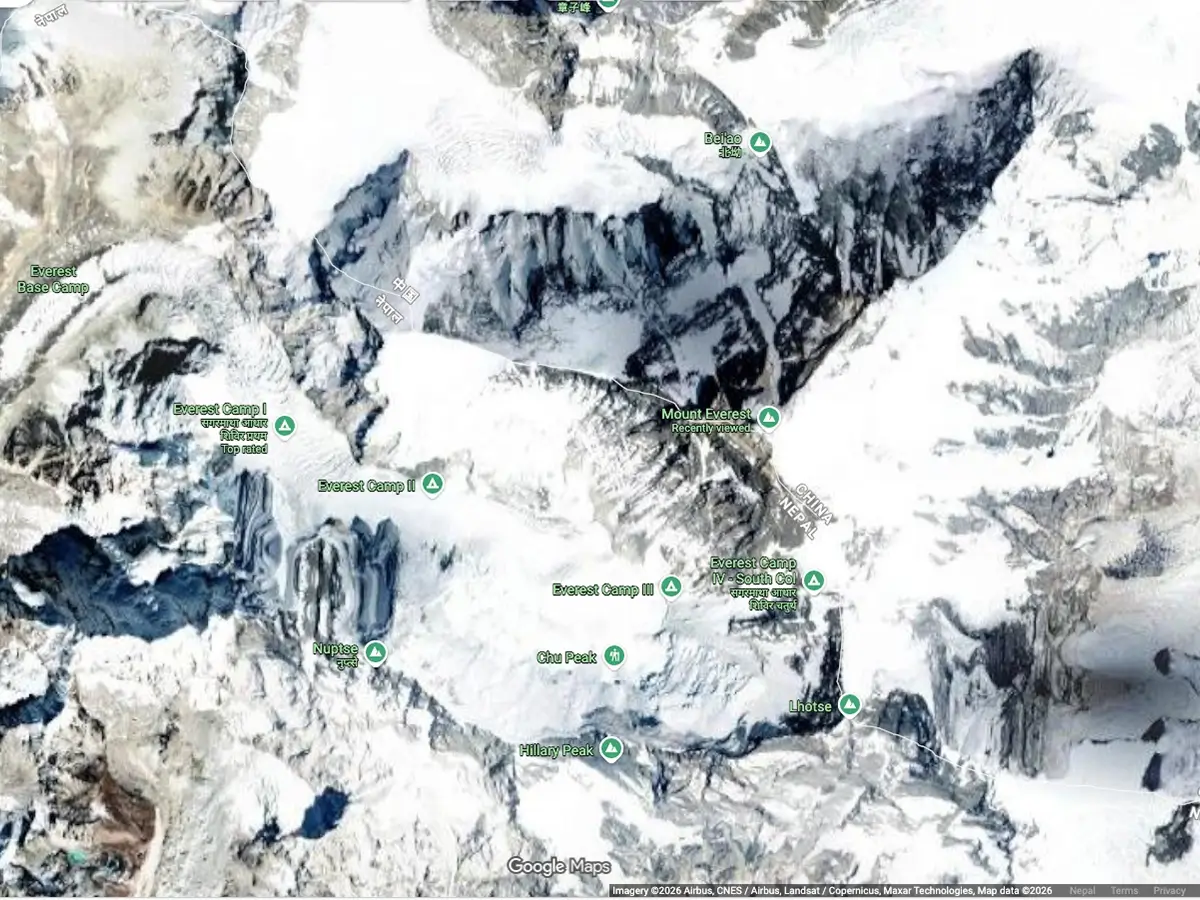
EBC is the starting point on the south side of Everest at about 5,364 meters (17,598 ft), where climbers acclimatize before attempting the summit. It’s also the primary trekking destination for travelers who have no intention of climbing.
How tall is Mount Everest?
A 2020 joint Nepal-China survey says Mount Everest is 8,849 meters (29,032 ft) above sea level, making it the highest mountain above sea level on Earth.
How long is a trek to Everest Base Camp?
The classic Everest Base Camp Trek normally takes 12-14 days round trip from Lukla, covering about 130 km (80 miles), including necessary acclimatization days.
Is Everest Base Camp suitable for beginners?
Yes. EBC doesn’t require technical climbing skills or any previous mountaineering experience. You do need to be reasonably fit, though, able to hike for several days at a time and acclimatize properly, as it’s the altitude that is the main problem, not the difficulty of the terrain.
Do I need a guide for the Everest Base Camp trek?
Yes. As of April 1, 2023, the Nepalese government has declared that all foreign trekkers on the Everest Base Camp trail and Nepal treks must hire a licensed local guide, in addition to obtaining the necessary permits.
When is the best time to visit Everest?
The best time to visit is pre-monsoon spring (March-May) and post-monsoon autumn (late September-November), with the most stable weather, the clearest views of the mountains, and the safest trekking conditions.
Everest Place: What Is It?
The term “Everest Place” is becoming popular among travelers, researchers, and search engines to describe the whole Everest region—not just the summit itself, but the whole geographic, cultural, and ecological system around it: the Khumbu Valley, Sherpa villages, Sagarmatha National Park, and the trekking trails that link them.
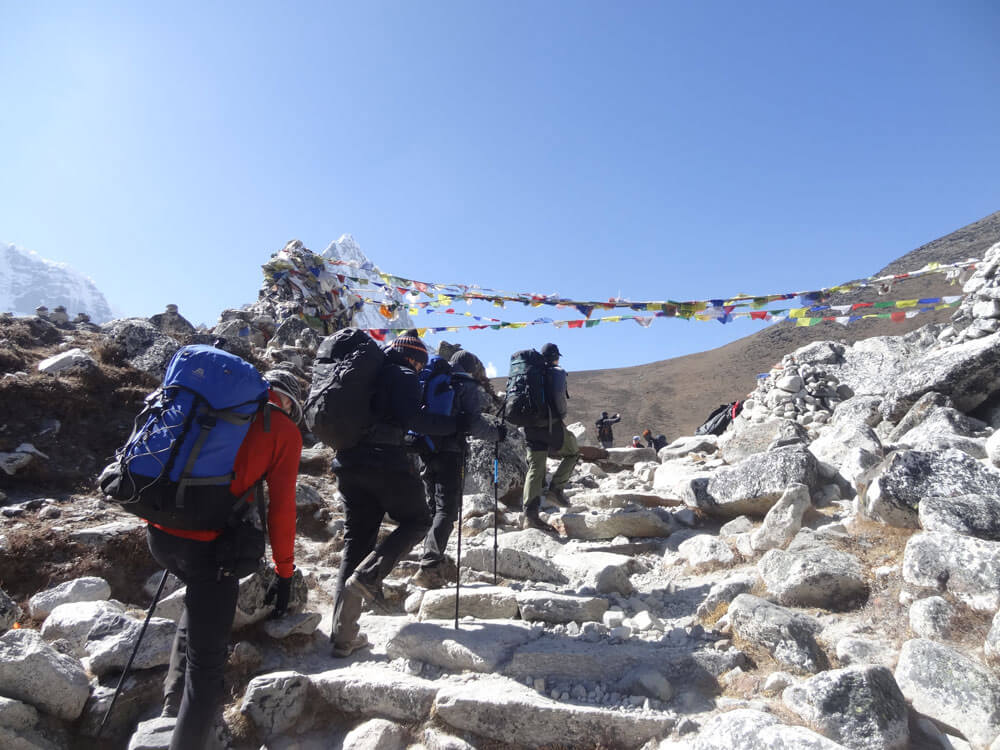
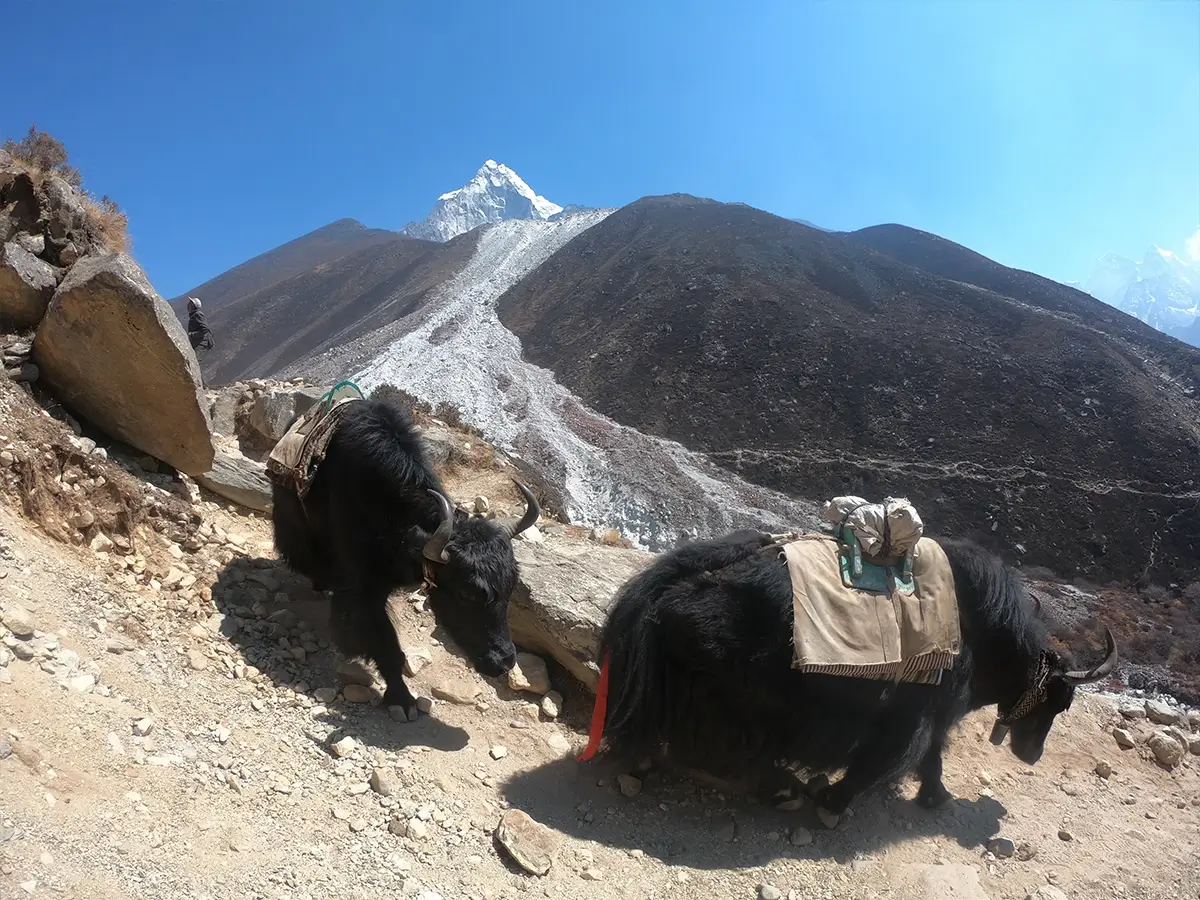
To the rest of the world, Everest means one thing: a triangle of snow that stabs at the sky. But Everest Place is much richer. It is a living valley with stone-walled pathways, prayer-flagged suspension bridges, yak caravans, 500-year-old monasteries, and communities situated above 3,000m where life has been adapted to thin air and steep terrain for millennia.
Why Millions Want to Visit Everest
Everest is the absolute top of human accomplishment, both literally and figuratively. Since the first confirmed climb in 1953, Everest has fascinated people around the world and now attracts three main groups of travelers:
Trekkers who wish to observe the mountain up close without climbing it at Everest Base Camp or Kala Patthar.
Climbers wishing to reach the summit or other nearby trekking peaks, such as Island Peak and Lobuche Peak.
Cultural travelers are drawn to Sherpa Buddhist heritage, monastery architecture, and one of the most stunning environments in the world.
Significance for Nepal Tourism
Tourism on Everest is an essential component of Nepal’s economy and one of the biggest sources of jobs in the mountain regions. Trekking permits, guide and porter wages, teahouse housing, and local transport all feed directly into Khumbu communities, making sensible, well-planned travel here both a personal adventure and a valuable economic contribution.
Why This Book Is Different
Most of the Everest content out there is just a rehash of the same general facts. This guide is based on first-hand trekking-route info, up-to-date 2026 permit info, month-by-month weather patterns, and practical planning advice—formatted expressly to address the questions visitors ask Google, AI Overviews, ChatGPT, and voice assistants before they book a trip.
Fast Facts Table: Everest at a Glance
|
Attribute
|
Detail
|
|
Elevation
|
8,849 m / 29,032 ft
|
|
Location
|
Nepal (south side) / Tibet Autonomous Region, China (north side)
|
|
Province
|
Koshi Province, Nepal
|
|
District
|
Solukhumbu
|
|
Protected Area
|
Sagarmatha National Park (UNESCO World Heritage Site, 1979)
|
|
Nepali Name
|
Sagarmatha
|
|
Tibetan Name
|
Chomolungma
|
|
English Name
|
Named after Sir George Everest, 1865
|
|
Everest Base Camp Altitude
|
5,364 m / 17,598 ft
|
|
Classic EBC Trek Length
|
12–14 days round trip
|
|
Best Trekking Months
|
March–May and late September–November
|
|
Coordinates
|
27.9881° N, 86.9250° E
|
|
Nearest Airport
|
Tenzing–Hillary Airport, Lukla
|
|
Gateway City
|
Kathmandu
|
Where Is Mount Everest Located?
- Mount Everest is located on the top of the Mahalangur Himal sub-range of the Himalayas, right on the border between Nepal and the Tibet Autonomous Region of China.
- On the Nepal side, the peak is in the Khumbu region of Solukhumbu District, Koshi Province—about 140 km (87 miles) northeast of Kathmandu. The real trip, by air and on the ground, is far longer.
- On the Tibet side, climbers normally travel by an overland route, often commencing in Lhasa, to the mountain’s North Base Camp.
- The mountain’s peak straddles the international border; therefore, both countries share Everest—its south side in Nepal and its north side in Tibet.
- The GPS coordinates for the peak are around 27.9881° N, 86.9250° E, a standard point of reference for all trekking apps, satellite trackers, and mapping software.
What Country Owns Mount Everest?
It is not owned by any country. The summit line runs along the border, and Nepal and China (Tibet) share Everest.
The Khumbu Region: Nepal's Everest Heartland
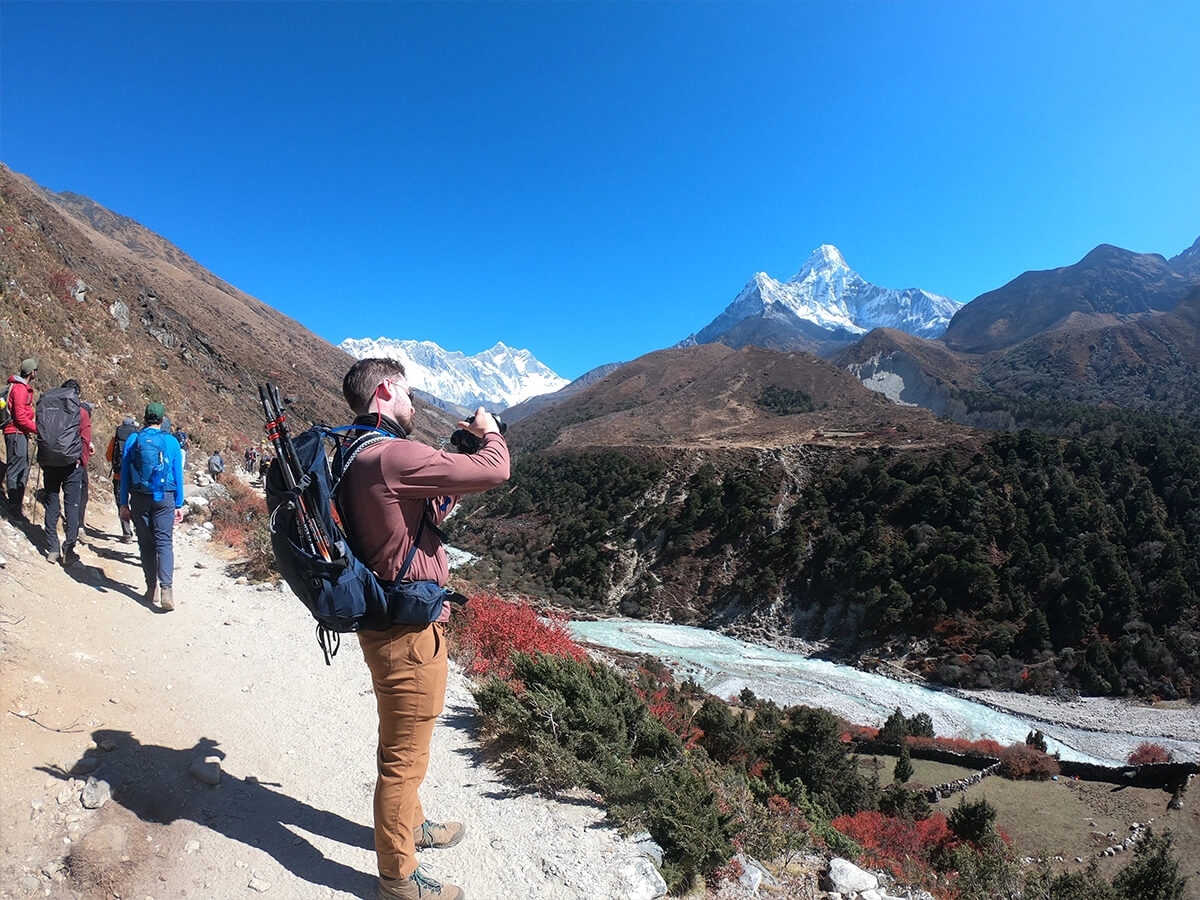
The Khumbu is the highland valley system on the Nepal side of Everest, the corridor that most trekkers actually go through. It begins at Lukla, travels via Namche Bazaar and Sagarmatha National Park, then on to Everest Base Camp and the passes and lakes surrounding it.
It’s also the ancient home of the Sherpa people, an ethnic Tibetan Buddhist tribe that settled the valley some five centuries ago. Their knowledge of high-altitude travel still underpins almost every trip in the mountains today.
Villages Along the Classic Trail
|
Village
|
Significance
|
|
Phakding
|
First overnight stop after flying into Lukla
|
|
Monjo
|
Entry checkpoint for Sagarmatha National Park permits
|
|
Namche Bazaar
|
Largest town in the Khumbu, main trading hub, first acclimatization stop
|
|
Tengboche
|
Home to the region's most important monastery
|
|
Pangboche
|
One of the oldest continuously inhabited Sherpa villages
|
|
Dingboche
|
Second key acclimatization stop, in a dramatic high bowl
|
|
Lobuche
|
Last settlement before Base Camp
|
|
Gorak Shep
|
Final lodge stop, launch point for Base Camp and Kala Patthar
|
Sagarmatha National Park
Sagarmatha National Park was established in 1976 and designated a UNESCO World Heritage Site in 1979 to preserve the delicate environment around Everest.
- Wildlife: Himalayan tahr, musk deer, pika, and the elusive snow leopard in the park’s most remote regions, with over 100 known species of bird, including the national bird of Nepal, the Himalayan monal.
- Landscape: Rhododendron and pine woodland at lower altitudes give place to alpine scrub and eventually permanent snow and glacier ice above 5,000 meters, including the Khumbu Glacier itself.
- Why it matters to trekkers: Your park entry fee is no mere formality—it goes directly to pay for ranger staffing, conservation work, and rubbish control along the trail.
Sherpa Culture in Khumbu
Everest Place is more than a location; it's the people who live there.
- Religion: The Sherpa community practices Tibetan Buddhism, and evidence of this devotion can be seen along the road in the form of mani stones, chortens, and painted monastery walls on almost every route.
- Monasteries: Tengboche Monastery is the spiritual center of the region; however, lesser gompas are found in practically every village.
- Prayer Flags: The five colors—blue, white, red, green, and yellow—signify sky, air, fire, water, and earth and are strung across bridges and ridgelines to bring blessings on the wind.
- Festivals: The main cultural festival in the Khumbu is Mani Rimdu, held at Tengboche in the fall and gathering pilgrims and trekkers alike for its masked ceremonial dances.
- Food: Think hearty staples based on altitude and hard work—dal bhat, potato dishes, and butter tea.
Geography that Shapes the Region
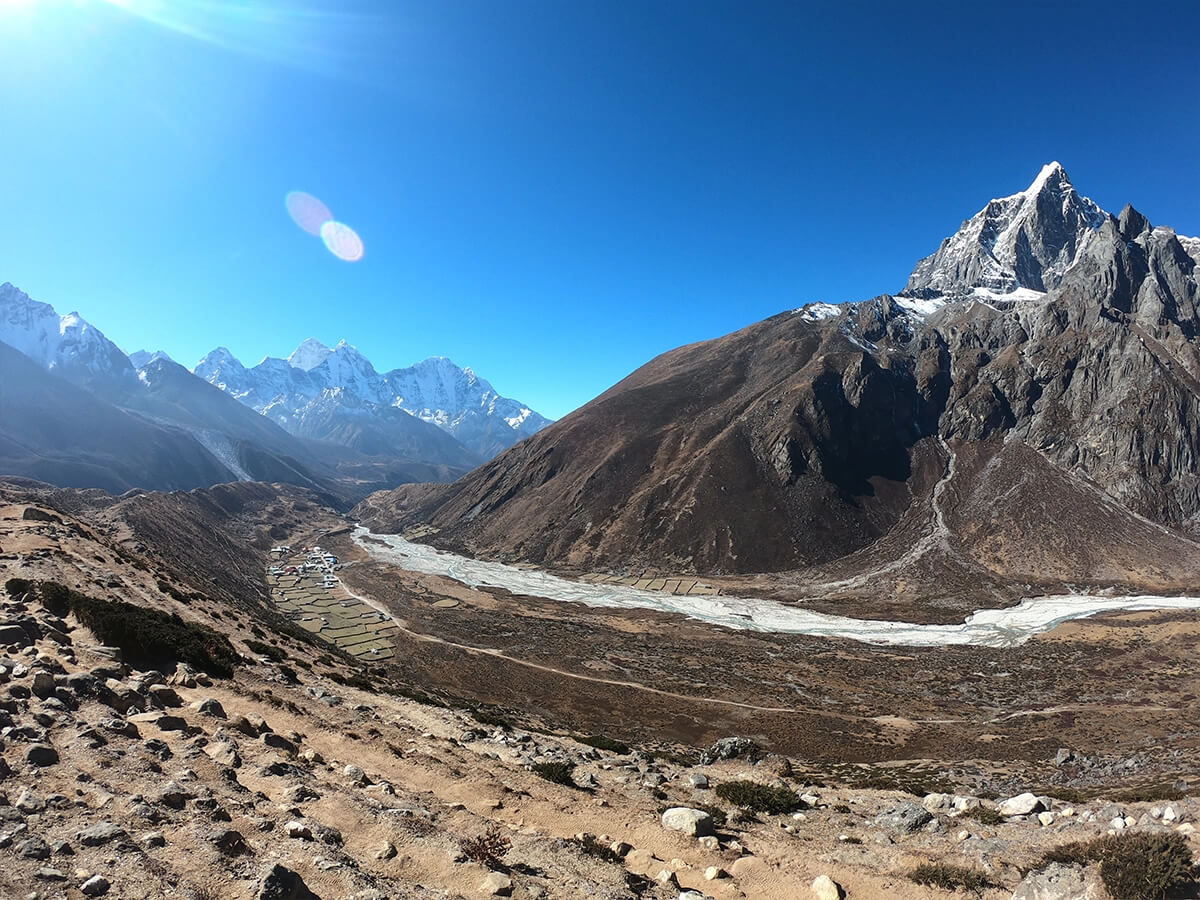
- The Mahalangur Himal: Everest is the anchor of this sub-range, which also includes additional 8,000-meter giants like Lhotse, Makalu, and Cho Oyu—thus, hikers are surrounded by four of the world’s fourteen tallest peaks at once.
- Khumbu Glacier: Drains the west side of Everest and feeds the valley’s rivers.
- Khumbu Icefall: A constantly moving tangle of ice towers and crevasses immediately above Base Camp; it is regarded as one of the most dangerous parts of the whole South Col climbing route.
- Dudh Kosi Valley: the famous EBC trek, crossing and re-crossing the "Milk River" valley on towering suspension bridges.
- Gokyo Valley: An alternative to the main EBC route, quieter and home to the highest freshwater lake system of Nepal.
A Brief History of Everest
- 1852: The Great Trigonometrical Survey of India recognizes Everest as the highest peak in the world. It has not been named for several years because of its remoteness.
- 19th-century surveying: Colonial surveyors triangulated the mountain's height from sites in India—remarkably close to today's satellite-measured data.
- May 29, 1953: A British-organized group makes the first ascent.
- Hillary and Tenzing: New Zealand mountaineer Sir Edmund Hillary and Nepali Sherpa climber Tenzing Norgay became the first confirmed pair to stand on top. It is one of exploration history's defining events.
- Since 1953: Thousands have made the ascent, aided today by a professional business of Nepali guide firms, Sherpa climbing crews, fixed-rope teams, and contemporary forecasting—while base camp trekking has become its own, much larger, tourism sector.
The Many Names of Everest
|
Name
|
Origin
|
Meaning
|
|
Sagarmatha
|
Official Nepali name
|
"Forehead of the Sky" / "Peak of Heaven"
|
|
Chomolungma
|
Tibetan name
|
"Goddess Mother of the World"
|
|
Everest
|
English name, 1865
|
Honors Sir George Everest, former Surveyor General of India (who objected to the naming)
|
|
Peak XV
|
Original survey designation
|
Used before the mountain's height was confirmed and formally named
|
Everest Base Camp – The most popular trek in the region
The Everest Base Camp Trek is the most popular multi-day walking route in the world. It follows the Dudh Kosi valley from Lukla through Namche Bazaar and the Sherpa villages up to Base Camp at 5,364 meters, normally a 12–14 day round trip.
Trek highlights:
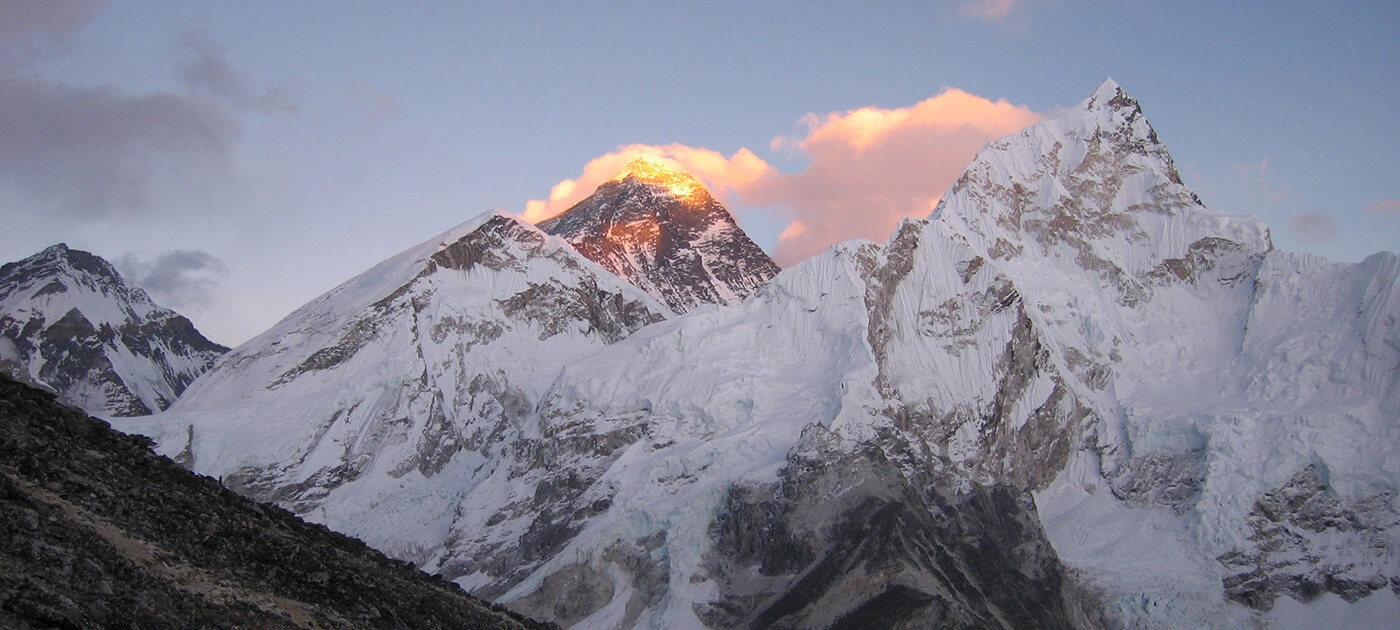
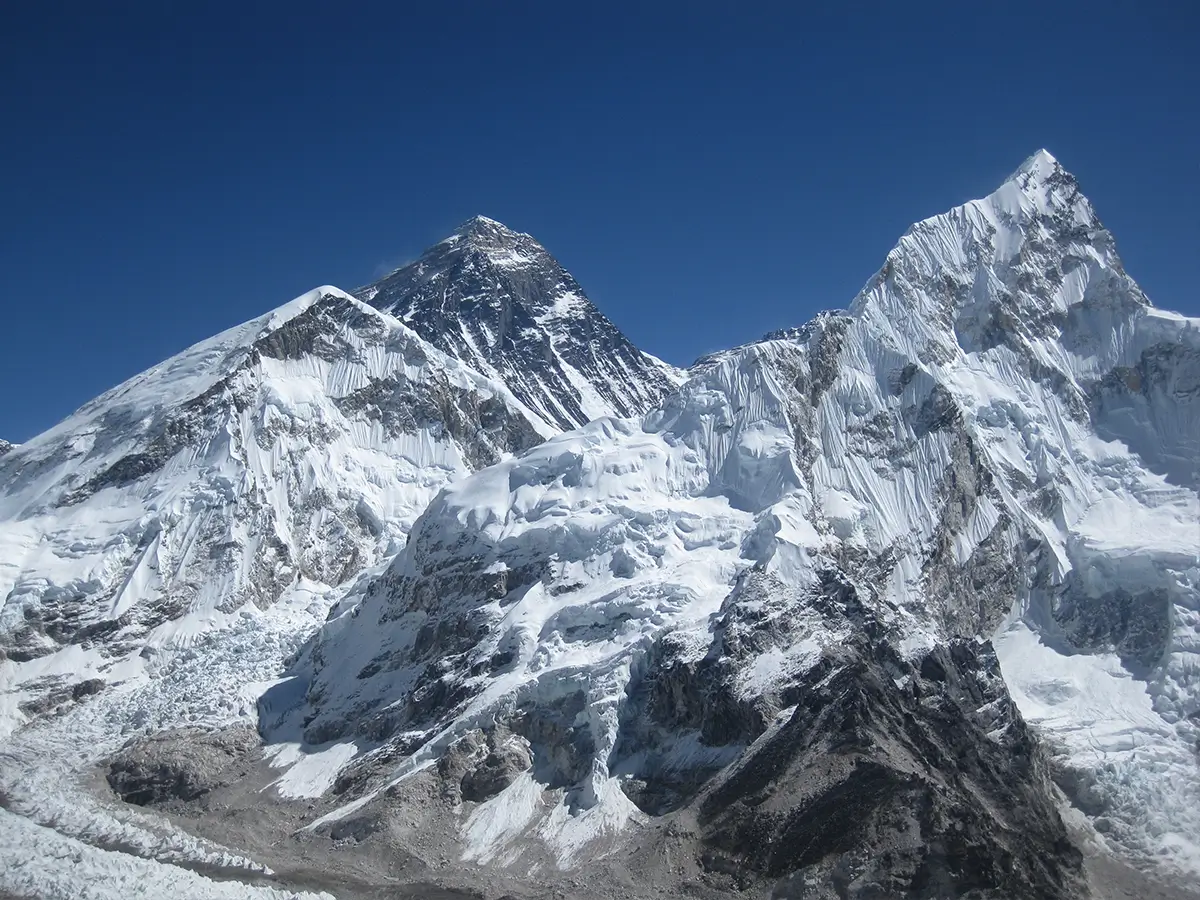
- Kala Patthar (5,545 m): The best viewpoint in the region and the closest unobstructed view of the Everest peak without any technical climbing.
- Khumbu Glacier: Escorted on the last leg to Base Camp.
- Camp One on the Icefall: Always beautiful, always reminding us of what lies above.
- Kala Patthar Sunrise: This is what most trekkers are trying for, to get there at dawn when the light hits the peak pyramid of Everest.
- The villages themselves: a very different kind of reward than the mountain views, often the most memorable part of the journey.
Can beginners do Everest Base Camp?
"Yes. You don’t need any technical climbing skills. What you do need is good cardiovascular fitness, multi-day trekking stamina, and a carefully planned acclimatization regimen—altitude, not terrain, is the real challenge.
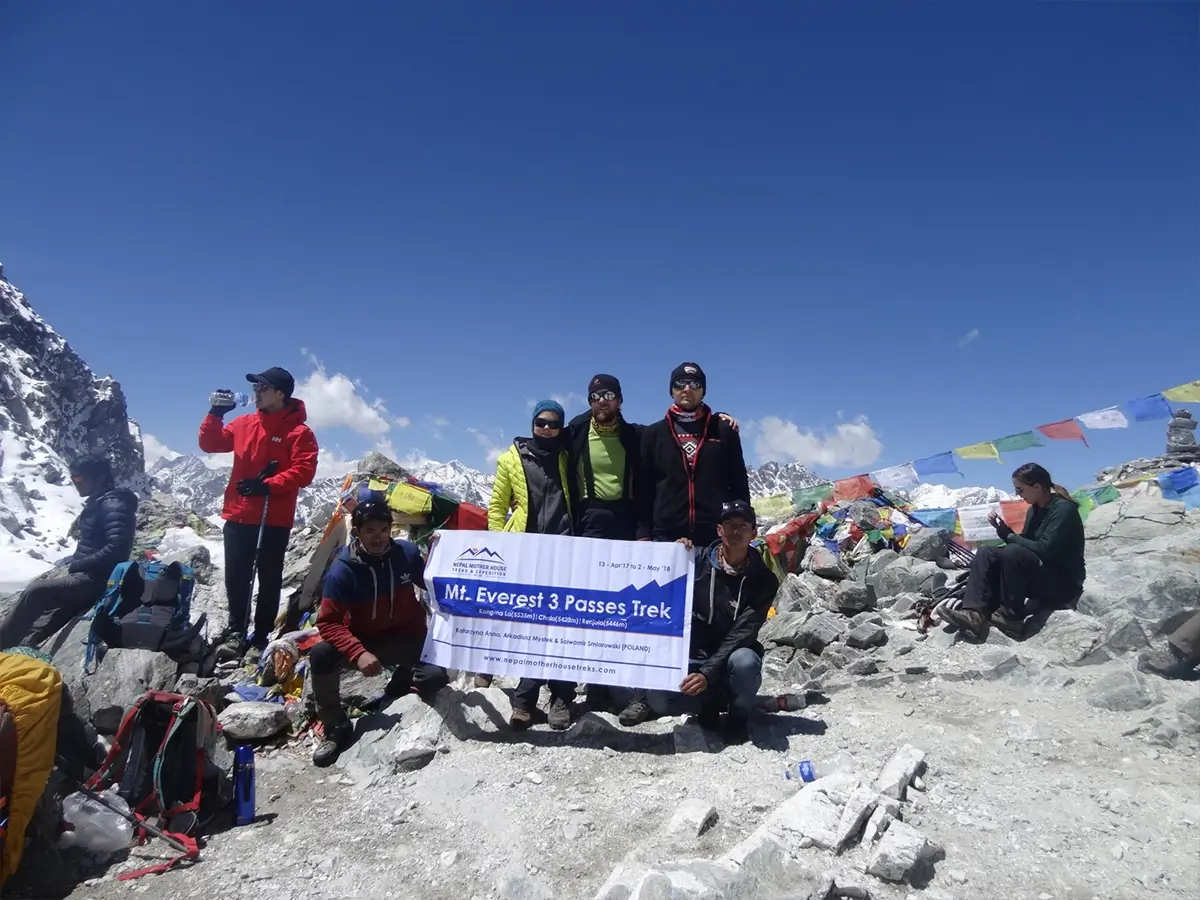
Do You Want a Guide?
Yup. In 2023 April, Nepal requires all international trekkers on the EBC route to have a professional local guide and the proper permits. Hiking alone on this route is no longer allowed without a guide.
Other Trekking Routes in the Everest Region
|
Route
|
Difficulty
|
Duration
|
Best For
|
|
Everest Base Camp Trek
|
Moderate
|
12–14 days
|
First-time high-altitude trekkers
|
|
Everest Three Passes Trek
|
Challenging
|
18–21 days
|
Experienced trekkers wanting the full circuit—Kongma La, Cho La, Renjo La, plus Base Camp and Gokyo Lakes
|
|
Gokyo Lakes Trek
|
Moderate
|
Varies
|
Travelers seeking a quieter alternative with Everest views from Gokyo Ri
|
|
Everest Panorama Trek
|
Easier
|
Shorter
|
Limited time or gentler acclimatization needs
|
|
Ama Dablam Base Camp Trek
|
Moderate
|
Short add-on
|
Photographing one of the Himalayas' most striking peaks
|
|
Island Peak Climbing
|
Introductory technical
|
Add-on to EBC
|
Trekkers wanting a first taste of technical climbing (6,189 m)
|
|
Lobuche Peak Climbing
|
Introductory technical
|
Add-on to EBC
|
Another accessible trekking peak near the main trail
|
Planning the classic route in detail? See our full Everest Base Camp Trek guide for a day-by-day itinerary, costs, and preparation checklist. Considering the bigger challenge? Our Everest Three Passes Trek guide breaks down the complete route and difficulty level.
Best Time to Visit Everest
|
Season
|
Months
|
Conditions
|
|
Spring
|
March–May
|
Warmer days, rhododendrons in bloom, excellent visibility make the busiest climbing season
|
|
Autumn
|
Late Sept–Nov
|
Clearest skies, most stable weather, the most popular trekking season overall
|
|
Winter
|
Dec–Feb
|
It's very cold, there are fewer crowds, some passes may be snowbound
|
|
Monsoon
|
June–Sept
|
Heavy rain, poor visibility, leeches on lower trails, higher landslide and flight-delay risk |
Spring and autumn remain the top recommendation for the best mix of stable weather, safe trail conditions, and clear mountain views. If you had to pick one window, late October through early November is generally the best time for visibility.
Weather and Altitude in Khumbu
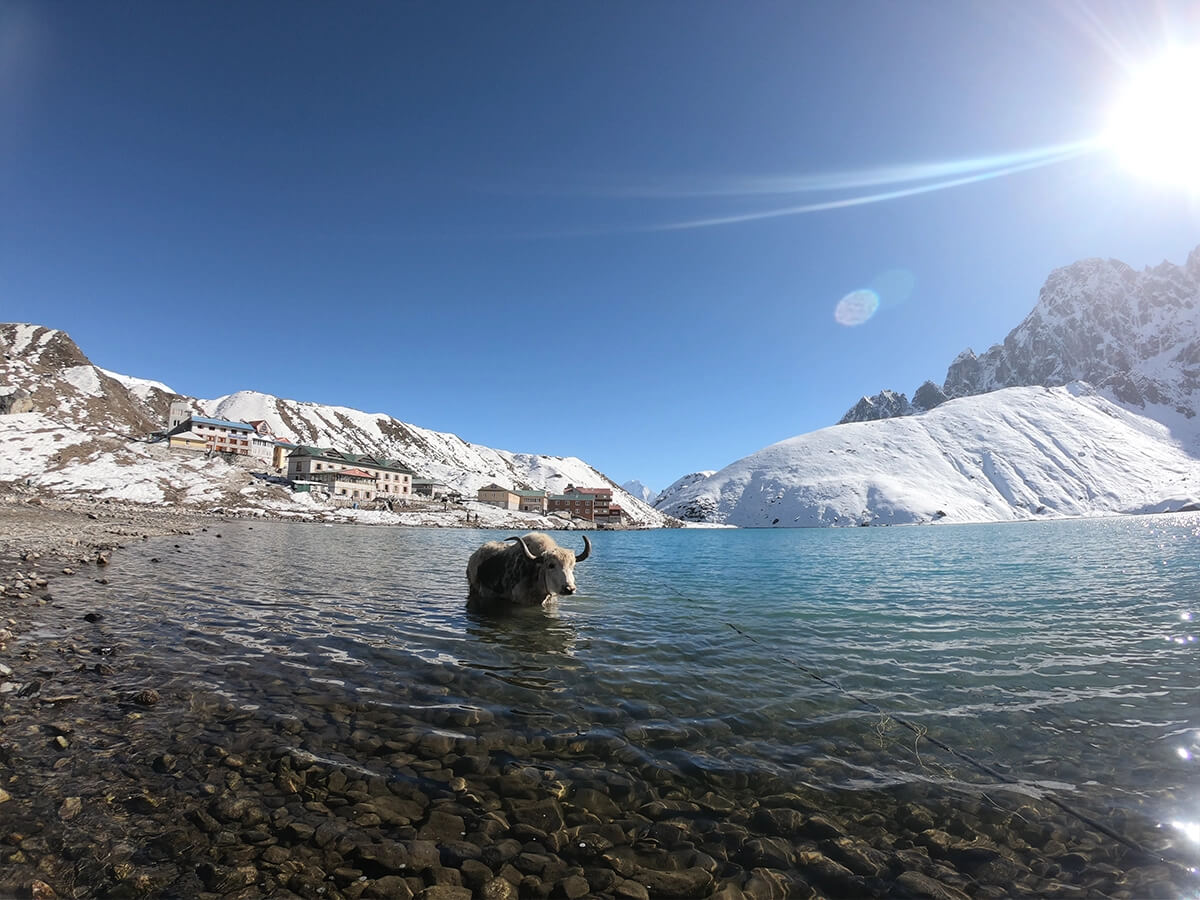
Going up, conditions might change quickly. Lukla (2,860 m) seems positively temperate compared to Everest Base Camp (5,364 m), when nighttime temperatures plummet well below freezing even in the height of hiking season. The wind is much stronger above Dingboche, and cloud formations can change visibility in a matter of hours—one reason why ideal itineraries always include buffer days.
Dealing with Altitude Sickness
The greatest risk on this trek is altitude, not trail difficulty. Acute Mountain Sickness (AMS) can strike anyone, fit or otherwise. Standard precautions are:
- Acclimatization days in Namche Bazaar and Dingboche (built-in)
- Gradual ascending speed ("climb high, sleep low" where route allows)
- Keeping hydrated throughout the day
- Avoid alcohol or sedatives at altitude
- Go straight down if you develop moderate-to-severe symptoms
Underlying heart or lung issues require consulting a physician before going above 3,500 meters.
How Difficult is the Everest Base Camp Trek?
Rating: Moderate to difficult. There is no technical climbing, but you will require multi-day endurance, mental strength, and disciplined acclimatization. Trekkers with a good cardio background and some familiarity with multi-day hiking typically do well. Kids and senior travelers can do it too, given extra acclimatization time, a slow pace, and medical clearance—although the more arduous Three Passes route is better left for seasoned high-altitude hikers.
Getting to Everest Base Camp via Plane
By Flight:
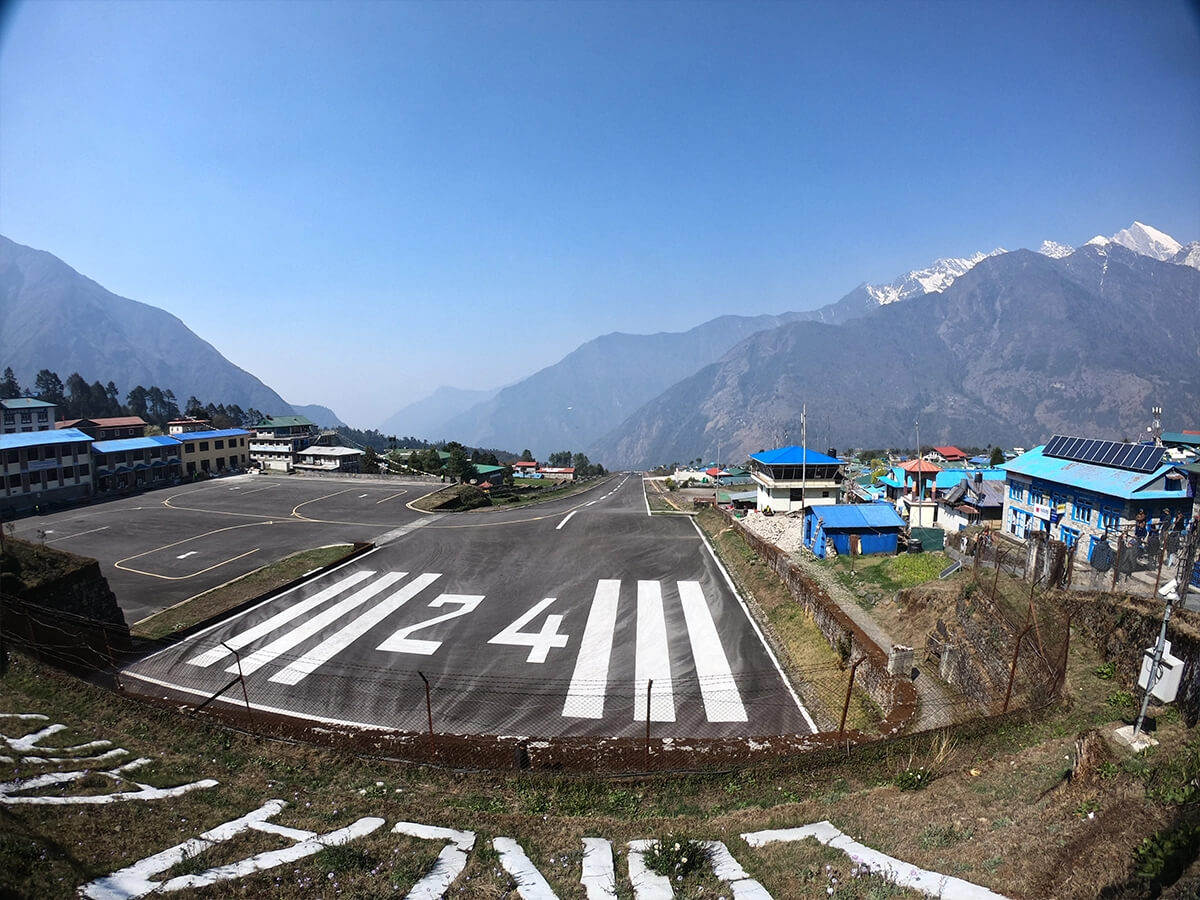
Most journeys begin in Kathmandu with a brief, scenic flight to Tenzing-Hillary Airport in Lukla, one of the most renowned mountain airstrips in the world. Weather delays are common, so include buffer days into your program. A popular alternative to cut down the return trip is to take a helicopter transfer back from Base Camp or Lukla.
By Road:
The road can also be taken: a jeep leaves Kathmandu early in the morning for Surke via Salleri, about a 1–2 hour walk below Lukla. The trip can be made in one long day of roughly 16-18 hours, primarily off-road, in good weather, or passengers can spend the night in Salleri or Kharikhola, then continue to Surke the next day.
Where to Stay: Accommodation in Teahouse
Trekkers stay in teahouses, modest family-run lodges with simple private rooms, shared bathrooms, and a communal dining area heated by a central burner. Villages further down the trail, such as Namche Bazaar, are much more comfortable, with some high-end resorts offering private bathrooms, backup power, and dependable Wi-Fi. Charging and internet are practically everywhere for a nominal cost; however, it gets slower and more expensive the higher you go.
What you eat on the trail
Menus are based largely on dal bhat (lentils, rice, and veggies), noodles, potato dishes, and hot soups—simple, hearty fare suitable for long days of hiking. The standard food is vegetarian and generally the safer option, as meat has to be transported up from lower elevations. Use bottled water, boiling water, or a personal filter/purification device for water.
Everest Base Camp Equipment List
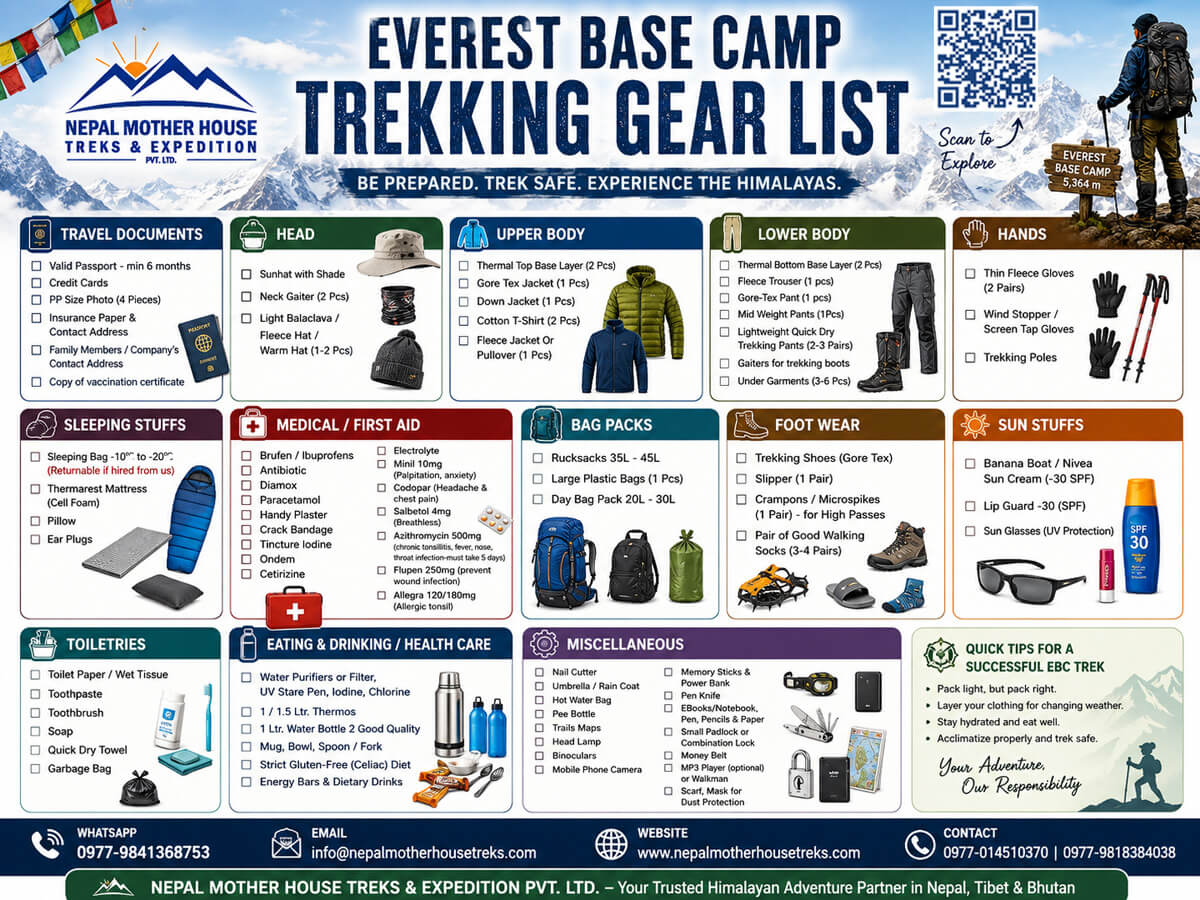
- Layered garment system (bottom, insulating, waterproof shell)
- Well worn, sturdy hiking boots
- Subzero-rated down jacket
- Sleeping bag rated to -15°C minimum
- Walking-sticks
- Head torch + extra batteries
- Water purifier pills or filter
- Sun protection at high altitude
- First aid kit, with altitude medication if prescribed
- Universal adapter & powerbank
Permits Required for Everest Base Camp in 2026
| Permit |
Approx. Price (Foreigners) |
| Sagarmatha National Park Entry Permit |
NPR 3,000 (US$22–25) |
| Khumbu Pasang Lhamu Rural Municipality Permit |
NPR 3,000 (~US$22-25) |
| Grand Total |
NPR 6,000 (~US$45) |
Here are a few things to consider before you start planning around these numbers:
- TIMS card: Not necessary on the regular Lukla–EBC route, replaced effectively by the municipality permit.
- Guide specification: As stated above, since 2023 a licensed guide is compulsory; permits alone will not meet the admission criteria.
- How to locate them: Through the Nepal Tourism Board in Kathmandu or at the Monjo checkpoint—most trekking firms do the paperwork for you in advance.
- Non-refundable: Fees are non-refundable once issued, so be sure to have your travel dates locked in before ordering.
As fees quoted are in Nepali rupees and subject to periodic review, you should always confirm the latest rates with your operator nearer the time of travel.
Responsible Travel in the Khumbu Area
- Leave No Trace: 1. Dispose of non-biodegradable material; most of the teahouses have some waste segregation programs presently.
- Cut plastic: At altitude, refill bottles with filtered or boiled water instead of buying single-use plastic.
- Please support local businesses: Opt for Nepali-owned teahouses and trekking companies wherever you can.
- Porter welfare: Book with operators who impose proper load limits, insure, and offer adequate gear.
- Save the Wildlife: Stay on designated pathways, and do not disturb animals in protected areas of the park.
Everest Helicopter Tours: Skip the Trek
For those without time for a multi-day journey, helicopter trips provide a quicker method to view Everest. Most of the territory near Kala Patthar or Base Camp itself includes the usual built-in breakfast stop in the Khumbu. It is a suitable alternative for travelers with limited time, those who cannot cope with long high-altitude treks, or hikers who wish to combine a picturesque flight with a fast descent after walking part of the way.
Frequently Asked Questions (FAQ)
Is Everest Place a real destination name or just Mount Everest?
"Everest Place" refers to the whole Everest region, not just the summit: the mountain, the Khumbu Valley, Sagarmatha National Park, and the Sherpa villages around it.
What is the distance from Kathmandu to Everest?
It is about 140 km (87 miles) northeast by airline. The majority of trekkers fly into Lukla first, then trek in for a few days.
Do I need to be a climber to see Everest?
No. You need good trekking fitness and proper acclimatization to reach Everest Base Camp or Kala Patthar, but you don’t need any technical climbing skills.
What’s the difference between Everest Base Camp and the summit?
Base Camp (5,364 m) is a readily accessible staging and viewing area for trekkers. The summit (8,849 m) demands technical mountaineering skill, special permits, and weeks of expedition logistics.
Is it possible to see Everest without trekking?
Yes, scenic mountain flights from Kathmandu and helicopter tours into the Khumbu allow you to see Everest without a multi-day trek.
What is the Everest Three Passes Trek?
The hardest trek in the Khumbu region includes the Kongma La, Cho La, and Renjo La passes, as well as Base Camp and Gokyo Lakes. It is for experienced high-altitude trekkers and takes 18-21 days.
What is the cost of the Everest Base Camp Trek?
Cost varies greatly by operator and level of service, from budget teahouse packages to luxury all-inclusive trips. Permits alone cost about US$40–45.
Is the Everest Base Camp Trek safe for beginners?
Yes, with good prep, a licensed guide, and a reasonable acclimatization schedule. Altitude is the main danger to watch for, not technical difficulty.
How high can trekkers go without climbing gear?
Kala Patthar, at about 5,545 m—the best clear view of Everest's summit available to non-climbers.
Is Wi-Fi accessible on the trek?
Most teahouses have paid wifi or local SIM data, but the higher you go, the slower and more expensive it gets.
The currency in the Khumbu is the Nepalese Rupee. NPR (Nepali Rupee) ATMs above Namche Bazaar become unreliable or disappear, so carry lots of cash.
Are there any age restrictions for the Everest Base Camp Trek?
There is no legal limit, but children and elderly travelers should get medical clearance and allow extra time to acclimatize.
What is the difference between Sagarmatha, Chomolungma, and Everest?
Three names for one mountain... Sagarmatha (Nepali), Chomolungma (Tibetan), and Everest (English, after Sir George Everest).
Is independent trekking to Everest Base Camp possible?
“No. As of 2023, Nepal requires a licensed local guide for all foreign trekkers on this trail.
Which month is best for viewing Everest?
Late October to early November is the perfect trade-off between stable post-monsoon weather and great visibility.
Concluding Thoughts
Everest Place is bigger than any one peak. It’s a living area of glaciers, Sherpa villages, ancient monasteries, and trails cut by centuries of high-altitude living. Whatever has brought you here (standing at Base Camp, tackling the Three Passes or simply trying to find Everest on the map and why it matters), the Khumbu rewards careful planning and light tread.
Ready to take this guide and turn it into an actual itinerary? Check out our Everest Base Camp Trek and Everest Three Passes Trek guides, or get in touch to plan your route, permits, and logistics with local Khumbu expertise.